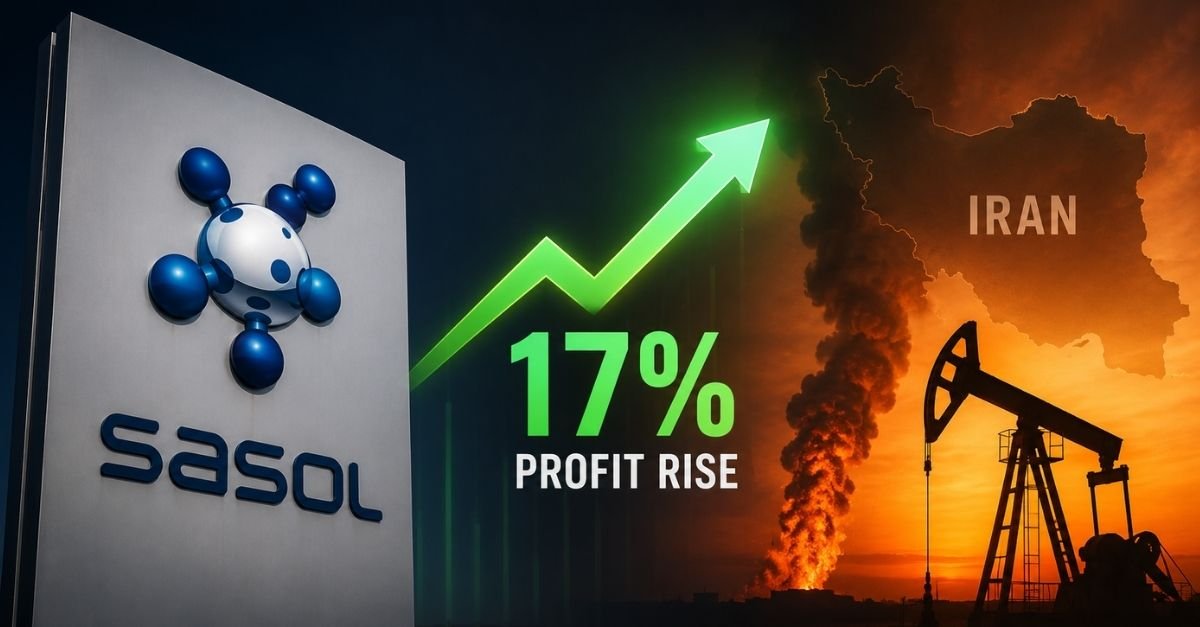
According to a filing released on Tuesday, Sasol said its adjusted earnings before interest, taxes, depreciation and amortisation (EBITDA, a measure of operating profit that strips out one-off items) rose 17% to R60.7 billion for the year ended 30 June. The jump follows a sharp increase in global oil prices after the outbreak of war between Iran and its regional rivals.
The higher price of crude, which has been trading above US$100 a barrel, lifted the value of the synthetic fuel that Sasol produces from coal at its Secunda complex. Secunda, which can churn out up to 160 000 barrels a day, recorded its highest output in five years as the plant worked at full tilt to meet domestic demand.
Sasol’s Natref refinery, one of only two crude-oil refineries still operating in South Africa, also saw more traffic. With Middle-East supplies disrupted by the conflict, Natref helped close a gap that would otherwise have forced the country to import more fuel.
What the numbers mean for South African businesses
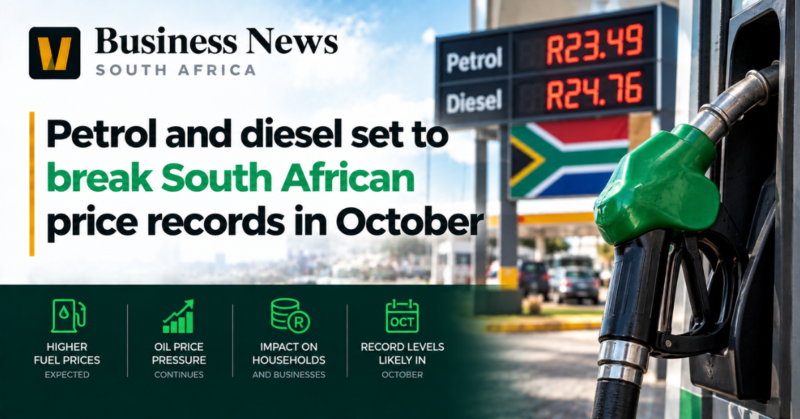
For small and medium-size enterprises that rely on transport, logistics or any fuel-intensive activity, the surge in oil prices translates into higher operating costs. While Sasol’s profit benefited from the price spike, many downstream users may see tighter margins unless they can pass the cost on to customers.
At the same time, Sasol’s ability to keep its synthetic-fuel output high shows that the company can act as a buffer against external supply shocks. That stability can be a plus for businesses that need a reliable source of diesel or jet fuel, especially when imports are uncertain.
A structural quirk in how Sasol makes money
It helps to understand why a geopolitical conflict thousands of kilometres away moves Sasol’s bottom line so directly. Because Secunda converts coal into synthetic fuel rather than refining imported crude, Sasol’s production costs stay relatively fixed even when the oil price spikes, while the price it can charge for the fuel it sells is set by the same international benchmark that every refiner in the world uses. That gap between a mostly-fixed local cost base and a globally-set selling price is exactly what widens Sasol’s margins whenever crude gets more expensive, and narrows them again whenever it falls. It is a structural feature of the business, not a one-off trading position, and it explains why the company’s earnings can swing sharply on news that has nothing to do with its own operations.
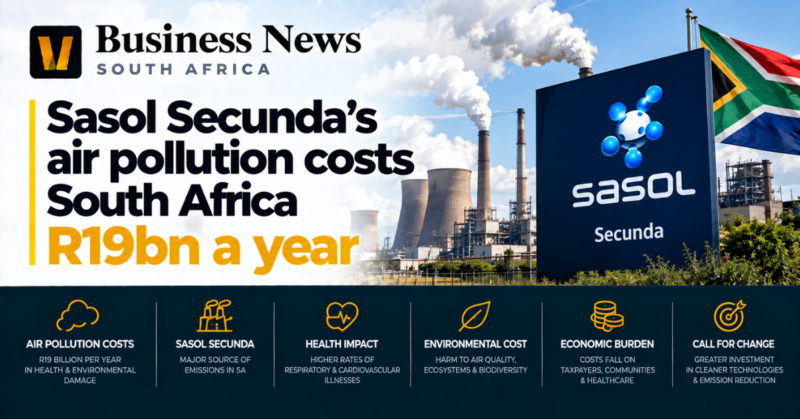
However, the upside comes with a downside for the environment. The Secunda process is carbon-intensive and makes Sasol the second-largest emitter of greenhouse gases in South Africa. The company acknowledged the climate impact and pointed to a renewable-energy push as part of its longer-term plan.
CEO Simon Baloyi told an interview last month that Sasol has already built about 500 megawatts of renewable-energy capacity and secured contracts for more than twice that amount. The firm aims to procure roughly 2 000 megawatts over time and is exploring carbon-offset projects to reduce its net emissions.
For SMEs, the renewable-energy rollout could open new opportunities. Sasol’s growing portfolio of wind and solar assets may create demand for local contractors, engineering services and supply-chain partners. At the same time, the company’s carbon-offset initiatives could lead to new markets for verification services and sustainable-fuel credits, a niche that is still developing in South Africa but has grown into a meaningful industry in markets like the European Union.
In short, the war-driven oil price surge has handed Sasol a short-term profit boost while highlighting the broader volatility that South African businesses face when global events disrupt energy markets. Companies that can adapt to higher fuel costs or tap into the emerging renewable-energy ecosystem may find ways to turn the turbulence into an advantage, even as the same price spike squeezes their own transport and logistics bills.