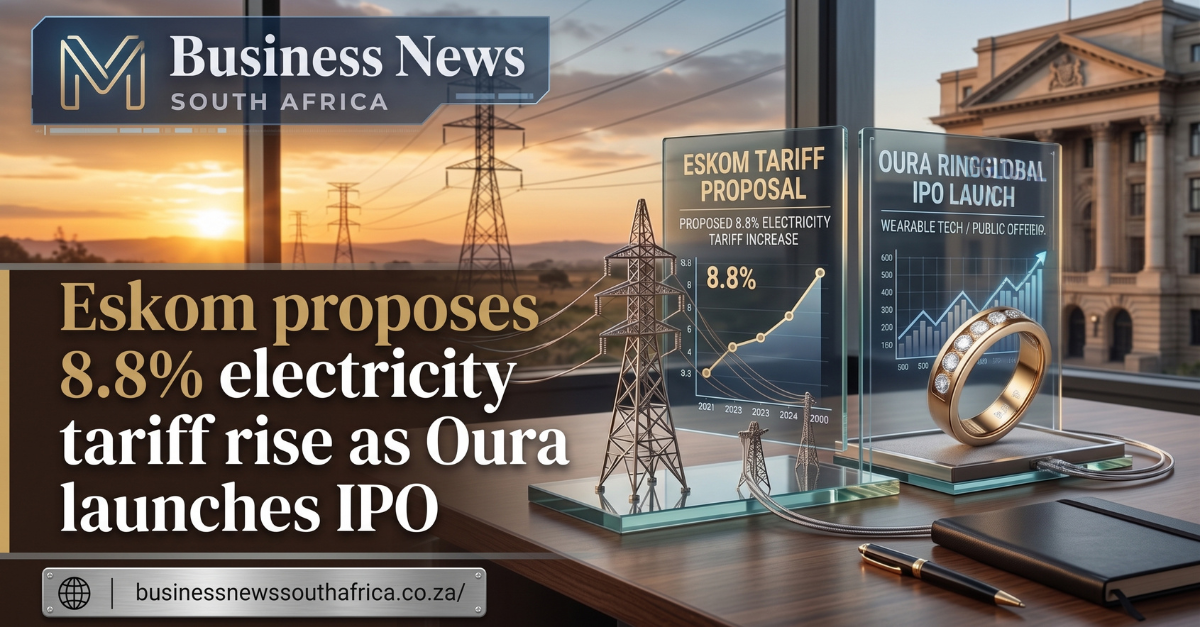
In a modestly lit conference room in Johannesburg, Eskom executives unfolded a slide that read 8.8% and waited for the reaction. The figure is the utility’s latest request for an electricity price hike, a rise in the tariff that households and companies pay for power.
According to the company’s statement, the 8.8% increase is intended to narrow a widening gap between revenue and the cost of generating electricity. For a small manufacturing firm that already budgets for load-shedding interruptions, a near-nine-percent jump in the electricity bill could mean an extra R5 000 to R10 000 per month, depending on consumption. That extra cost will either have to be absorbed, passed on to customers, or offset by cutting other expenses.
Eskom has been operating under a heavy debt load for several years, a situation that has forced it to seek regular tariff adjustments. Past hikes of similar size have been approved by the National Energy Regulator of South Africa (NERSA), but each increase still triggers a public debate about affordability and the pace of the country’s transition to alternative energy sources. What remains unclear is whether NERSA will endorse the full 8.8% request or negotiate a lower figure, and how quickly any new tariff would be reflected on consumer bills.
What the price hike means for businesses
For an SME that relies on electricity for production, refrigeration or office lighting, the impact is immediate. Higher electricity costs squeeze profit margins, especially in sectors where price competition is fierce, such as retail or food processing. Some companies may accelerate plans to install solar panels or battery storage, hoping to lock in a lower cost of power over the long term. Others might look to renegotiate supply contracts or shift production to periods of lower demand, if their operations allow.
While the tariff request is a corporate claim until a regulator signs off, the broader trend is clear: electricity costs in South Africa are on an upward trajectory. Companies that have not yet factored this into their budgeting cycles could find themselves scrambling to adjust cash flow forecasts in the next financial year.
In a separate market move, Finnish health-tech company Oura announced that its popular Oura ring will go public through an initial public offering (IPO) on the Nasdaq. An IPO is the first time a private company sells shares to the public, turning its ownership into tradable stock. Oura, known for a wearable that tracks sleep, activity and heart rate variability, aims to raise fresh capital to expand its product line and invest in research.
The company’s prospectus, filed with the U.S. Securities and Exchange Commission, indicates that the offering will consist of new shares priced at around US$15 each. The proceeds are earmarked for scaling production, entering new markets and enhancing the software platform that underpins the ring’s health insights. Oura’s management highlighted a growing consumer appetite for data-driven wellness tools, a trend that accelerated during the pandemic.
For South African investors, the Oura IPO presents a different kind of decision point than the Eskom tariff request. While the electricity price hike is a cost pressure, the IPO is an opportunity to allocate capital to a foreign growth story. Potential investors need to weigh the ring’s market position against the volatility of tech stocks, the exchange-rate risk between the rand and the U.S. dollar, and the company’s path to profitability.
Both announcements illustrate how the financial landscape can shift in opposite directions on the same day: one pushes costs higher for local businesses, the other opens a new avenue for capital growth. The practical takeaway for an SME owner is to review electricity usage, explore mitigation strategies, and consider whether a modest exposure to a health-tech IPO fits within a diversified investment plan.
In short, Eskom’s 8.8% tariff request is a claim that will be tested by the regulator, and the Oura ring’s IPO is a concrete offering that will be priced by the market. How each development plays out will depend on regulatory decisions, investor appetite and, for many South Africans, the ability to absorb higher power bills while seeking new growth opportunities.