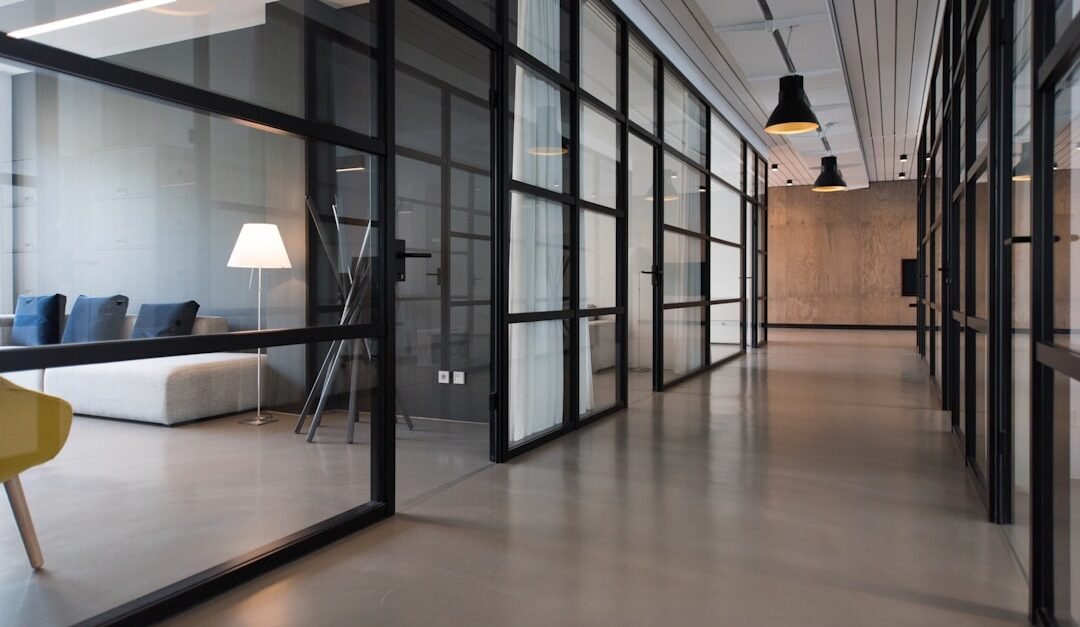
Shoppers stepping into the newly glazed entrance of a South African shopping centre will first notice the sleek glass architecture that frames the iStore flagship. According to MyBroadband, the Apple reseller has reopened its doors after the mall underwent a R4.9-billion refurbishment that added premium upgrades throughout the complex.
The term “premium upgrades” here refers to higher-end finishes, improved lighting, and a modernised layout designed to attract affluent consumers. The new glass façade, a visual hallmark of contemporary retail design, aims to create a more open and inviting shopping experience while showcasing the store’s high-tech product range.
iStore operates as a franchise network that sells Apple devices and accessories across South Africa. The brand is known for its focus on customer service and specialist knowledge of Apple’s ecosystem, the suite of hardware, software and services that work together. By choosing to reopen in a freshly upgraded mall, iStore is betting that the enhanced environment will draw enough foot traffic to justify the investment.
For the broader retail sector, the reopening sends a clear signal. Large-scale mall refurbishments, especially those costing billions of rand, are relatively rare in a market still coping with load-shedding and inflationary pressure. The decision to pour R4.9 billion into a shopping centre suggests that developers still see value in premium, experience-focused retail spaces. Smaller retailers operating in the same mall may benefit from increased visitor numbers, but they will also face stiffer competition for the same high-spending clientele.
Industry observers note that South African consumers have shown a willingness to spend on premium electronics when confidence returns. The iStore reopening could therefore act as a barometer for the health of the high-end consumer market. If the store records strong sales, it may encourage other brands to seek similar upgrades in their own locations.
However, the move is not without risk. The cost of the mall’s refurbishment will need to be recouped through higher rents and increased sales across tenants. Should economic conditions worsen, the expected uplift in shopper spending may not materialise, leaving both the mall owner and retailers like iStore exposed to lower returns.
In short, the iStore’s return to a R4.9-billion mall is a calculated gamble that reflects optimism in the premium retail segment. Whether that optimism pays off will depend on consumer sentiment, the ability of the mall to attract a steady flow of shoppers, and the broader macro-economic environment.