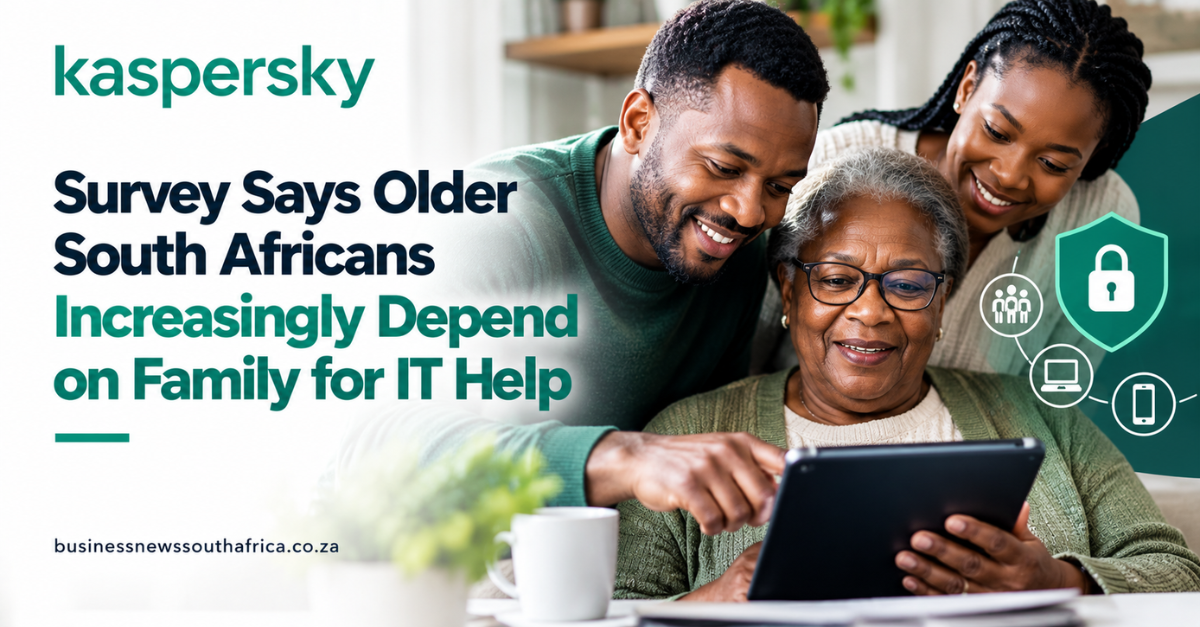
When Thandi, 68, tried to set up a mobile banking app on her new phone, her son spent an hour walking her through each step, checking that the app was genuine and that her passwords were safe. That scene is becoming familiar in many South African households, according to a recent Kaspersky survey that found family members are the main source of IT assistance for older generations.
The survey, conducted by the global cybersecurity firm Kaspersky, asked South Africans aged 55 and older about their digital habits and the help they receive. While the study did not publish exact percentages, it noted a clear trend: seniors are turning to children, grandchildren or other relatives for guidance on everything from installing software to recognising phishing emails.
For small-business owners, the finding matters. Older customers are a growing segment of the market for retail, banking and health services that increasingly operate online. If those customers cannot navigate apps or protect themselves from online scams, they may abandon digital channels, reducing sales and increasing the cost of serving them through traditional means.
South Africa’s population is ageing. Statistics South Africa estimates that around five million people are aged 60 and over, a group that is projected to grow steadily over the next decade. At the same time, internet penetration among seniors has risen, with more than half of those over 55 now using a smartphone or computer regularly, according to the Independent Communications Authority of South Africa (ICASA). The combination of greater online activity and limited digital skills creates a perfect storm for cyber threats.
Cybersecurity, which means protecting computers and data from unauthorised access or damage, is a particular concern for older users. Kaspersky’s own research has shown that phishing attacks, fraudulent messages that try to trick recipients into revealing personal information, often target seniors because they are perceived as less likely to spot the tell-tale signs of fraud. In the Kaspersky survey, many respondents admitted they were unsure how to verify whether an email or message was legitimate.
Family support can act as a first line of defence. When relatives help set up two-factor authentication, an extra security step that requires a code sent to a phone in addition to a password, they reduce the chance of accounts being compromised. They can also install reputable antivirus software, which scans for malicious programmes, and teach basic safe-browsing habits, such as avoiding unknown links.
For entrepreneurs, the implication is clear: products and services aimed at seniors should include easy-to-understand instructions and perhaps a hotline that relatives can call for assistance. Some small tech firms are already offering “digital concierge” services, where a trained helper walks a family through device setup over the phone. While such services add a cost, they can also open a new revenue stream and build loyalty among older customers and their families.
There are also policy angles. The Department of Communications and Digital Technologies has launched initiatives to improve digital literacy among older South Africans, but funding and reach remain limited. Kaspersky’s survey suggests that informal family networks are filling a gap that formal programmes have yet to close.
In the meantime, the onus remains on families to stay informed about the latest scams. Kaspersky advises checking the sender’s address carefully, avoiding clicking on unexpected attachments and using strong, unique passwords for each online account. Simple steps, such as writing down passwords in a secure place and sharing them only with trusted relatives, can make a big difference.
As the digital divide narrows, the role of family as the de-facto IT support desk is likely to grow. For small businesses, recognising this dynamic could shape product design, marketing messages and customer service strategies, turning a potential vulnerability into an opportunity for deeper engagement.