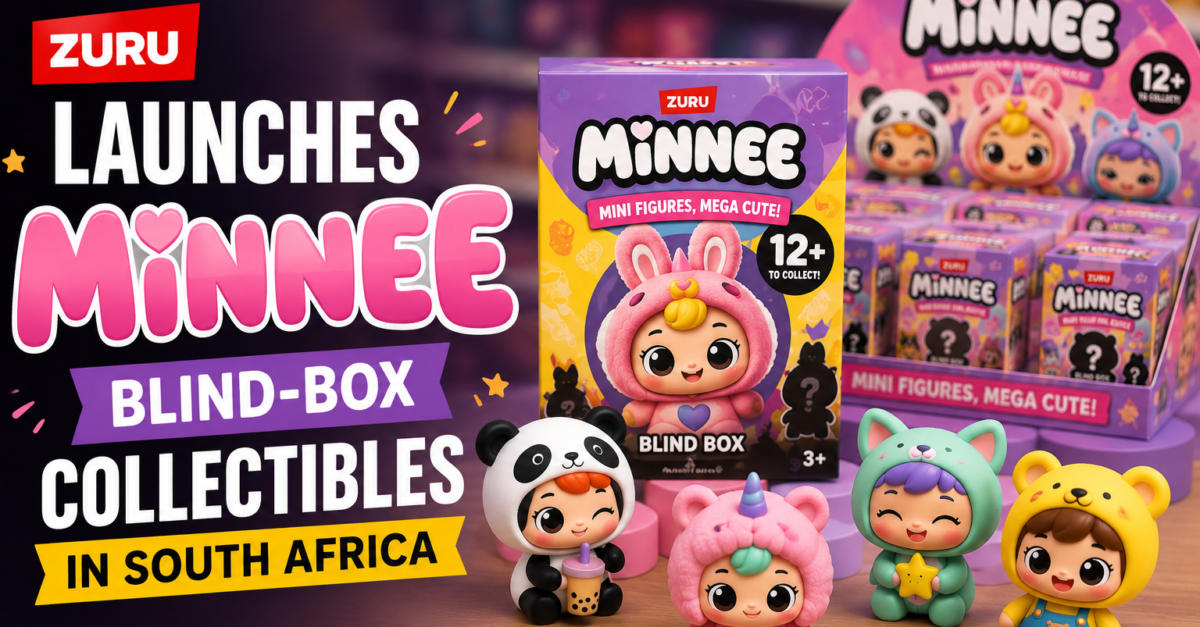
Zuru announced via Bizcommunity that its Minnee blind-box collectibles will be placed on South African toy aisles. For retailers, especially small independent toy shops, the product adds a low-price impulse item that can draw children and collectors into the store.
A blind-box is a sealed package that contains a random figure, so the buyer does not know which one they will receive until the package is opened. This retail format relies on gamified purchasing and variable rewards. By obscuring the contents, manufacturers create an element of surprise that encourages repeat purchases, as shoppers buy multiple units to complete a specific set. In retail terminology, an impulse item is a product positioned near checkout counters or high-traffic zones designed to trigger an unplanned purchase. These items carry lower price thresholds, reducing consumer price resistance and increasing the overall basket size, which refers to the total number and value of items purchased during a single store visit.
Zuru is a US-based toy manufacturer that has expanded internationally with products such as X-Shot and water-balloon toys. Its entry into the South African market with Minnee follows a global trend where small figurine collections are sold in blind-box format. Across international consumer markets, toy manufacturers have shifted toward high-margin, small-footprint items that maximize profitability per square metre of retail shelf space. The miniature collectible segment relies on low production costs combined with active collector communities, driving ongoing engagement through trade events, digital forums, and peer-to-peer secondary markets.
The blind-box segment has been growing worldwide, with retailers noting repeat purchases as customers try to complete a set. In South Africa, similar products have found a niche in supermarkets and specialty toy stores, offering a low-cost, high-turnover item. High turnover refers to a rapid inventory turnover rate, which measures how frequently a store sells and replaces its stock within a given financial cycle. High turnover rates are critical for physical store operators because they release working capital, lower stock holding costs, and maintain fresh product assortments without locking up cash flow in slow-moving stock.
What the launch means for small retailers
SME owners should consider ordering volumes that match expected demand, managing shelf space efficiently, and understanding any return-policy requirements that blind-box suppliers may impose. Small and medium-sized enterprise owners operating in the retail sector face tight capital constraints, making prudent inventory control vital. Ordering inventory requires an analysis of minimum order quantities, lead times from domestic distributors, and localized customer demographics. Committing excessive capital to unproven stock risks creating dead stock, which consists of unsold items that occupy valuable storage area and tie up operational liquidity.
Effective management of shelf space requires optimizing store planograms, which are visual diagrams that dictate the placement of retail products to maximize sales efficiency. Because blind-box items occupy a small physical footprint, store owners can achieve high sales density, calculated as revenue generated per square metre of floor space. Positioning these items strategically at eye level for target demographics or near the point-of-sale terminal helps capture spontaneous spending from parents and collectors, boosting unit sales without requiring dedicated large-scale floor displays.
Navigating supplier contracts requires store owners to scrutinize return-policy clauses and commercial terms. Supplier return policies generally dictate whether unsold or damaged goods can be returned for credit, replaced under guarantee, or accepted under sale-or-return terms, where the retailer only pays for stock actually sold to end consumers. In South Africa, general retail consumer protection frameworks grant shoppers specific rights regarding product defects, but unboxing mechanics introduce unique store-level considerations. Because the commercial value of a blind-box product relies on its sealed packaging, retailers must establish clear operational rules regarding opened units, ensuring shop floor staff understand how to handle exchange or refund requests without compromising business margins.
Zuru’s statement that Minnee will be available across the country is a company claim; distribution agreements and exact launch dates have not been independently confirmed. Store owners and procurement managers must treat press statements and vendor promotional announcements with professional diligence. Before placing forward orders or altering store layouts, independent retailers should verify distribution channels, confirm wholesale pricing structures, and confirm delivery schedules directly with licensed South African toy distributors. Relying on unconfirmed stock arrivals can disrupt floor planning and result in missed sales opportunities if promotional activity outpaces physical stock delivery.