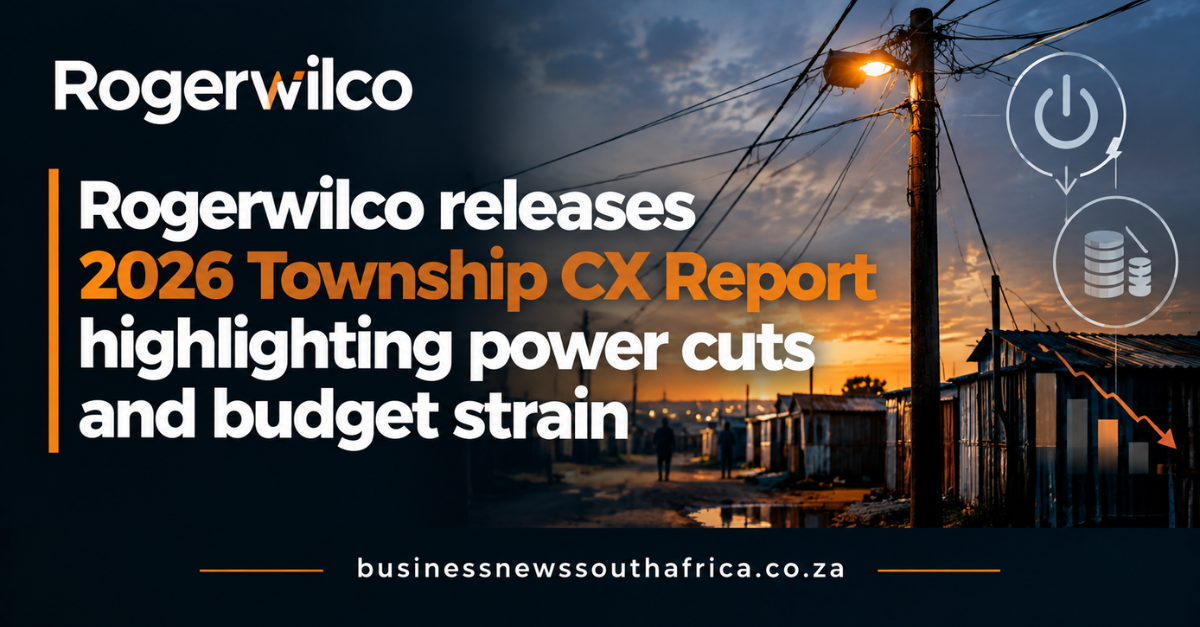
In a cramped kitchen in Soweto, a family huddles around a single candle while the fridge hums in silence. The lights are out, the food inside is warming, and the next trip to the shop will cost extra money for a taxi ride that may never arrive on time. This is the everyday reality for many township households, and it now forms the backdrop of the sixth edition of the Township Customer Experience (CX) report.
The report, compiled by marketing consultancy Rogerwilco in partnership with research firm Field & Insights Africa, was announced in a press release on 20 August 2026. It draws on a survey of township consumers to map how frequent power blackouts, water disruptions and shrinking budgets are reshaping the way people shop, spend and interact with brands.
Key findings include:
- 79% of respondents say they regularly experience power blackouts, which forces them to limit perishable grocery purchases.
- 24% feel that brands are actively making life more expensive, pushing them to look for tangible value.
- 50% placed an online bet in the past 12 months, using gambling as a coping mechanism alongside traditional stokvel savings groups.
For small business owners and entrepreneurs targeting township markets, the numbers are a warning sign. Customer experience (CX), the sum of all interactions a consumer has with a brand, can no longer be measured only at the point of sale or through an app. It now begins with whether a household has electricity to keep food fresh, water to cook, and enough cash to afford transport to the nearest shop.
“The customer journey no longer begins when someone walks into a store or opens an app,” says Mongezi Mtati, senior brand strategist at Rogerwilco and lead author of the report. “For many township consumers, it begins with whether there’s electricity to refrigerate food, water to cook with or enough money to afford another taxi trip to the shops. Understanding these realities is becoming essential for brands that want to remain relevant.”
Power cuts have a direct impact on product choice. When households cannot rely on refrigeration, they tend to buy non-perishable items or smaller packs that can be consumed quickly. Small retailers who stock large cartons of fresh produce may see higher waste and lower turnover. Adjusting inventory to include more shelf-stable goods, offering bulk-break options, or providing delivery that guarantees a cold chain can help retain customers.
The rise of online gambling as a coping tool reveals a deeper financial strain. Half of the respondents admitted to placing a bet on a mobile platform in the last year, indicating that digital cash flow is already part of many township wallets. Entrepreneurs can view this as a signal that mobile payment solutions, micro-credit offers and flexible financing are increasingly accepted, but they also need to be mindful of the ethical line between enabling financial inclusion and encouraging risky behaviour.
Feeling that brands make life more expensive is a sentiment that can erode loyalty quickly. Price sensitivity in the township is not just about the sticker price; it also includes hidden costs such as transport, electricity for storage and the time required to shop. Small businesses that communicate transparent pricing, offer loyalty schemes that reward frequent purchases, or partner with local stokvels to provide group discounts may find a competitive edge.
What the numbers mean for small businesses
SME owners should consider three practical steps. First, audit the supply chain for any reliance on electricity-intensive processes and explore alternatives such as solar-powered refrigeration or community-shared cold storage. Second, redesign product packaging to suit limited storage space, think smaller sachets, resealable packs and multi-use containers. Third, embed community engagement into the brand narrative; sponsoring local events, supporting water-saving initiatives or offering cash-back vouchers for utility payments can turn a brand from a perceived cost driver into a community partner.
The report will be launched during a free live webinar on 22 September at 10am. Confirmed speakers include Mongezi Mtati, Shana Abrahams (research lead), Palesa Lengolo (financial specialist and stokvel expert), Brian Makwaiba (co-founder and managing director of Vuleka) and Mervyn Abrahams (programme coordinator for the Pietermaritzburg Economic Justice & Dignity Group). The session will unpack the findings and discuss actionable strategies for brands operating in South Africa’s township economy.
For entrepreneurs, the takeaway is clear: the township customer experience now starts long before a consumer steps into a shop. Brands that align their operations with the realities of power, water and cash flow will be better positioned to win loyalty and grow in a market that represents a significant share of South Africa’s consumer base.