Imagine pulling up to a pump and watching the numbers climb past R30 per litre, a scene that has become all too familiar for many South African drivers this year.
The Department of Minerals and Petroleum Resources confirmed that it is still reviewing the fuel price formula, a calculation that adds levies and other costs to the base price of petrol and diesel. The review, described in the department’s Annual Performance Plan for 2026/27 as a “critical strategic intervention”, is slated for completion before 31 March 2027.
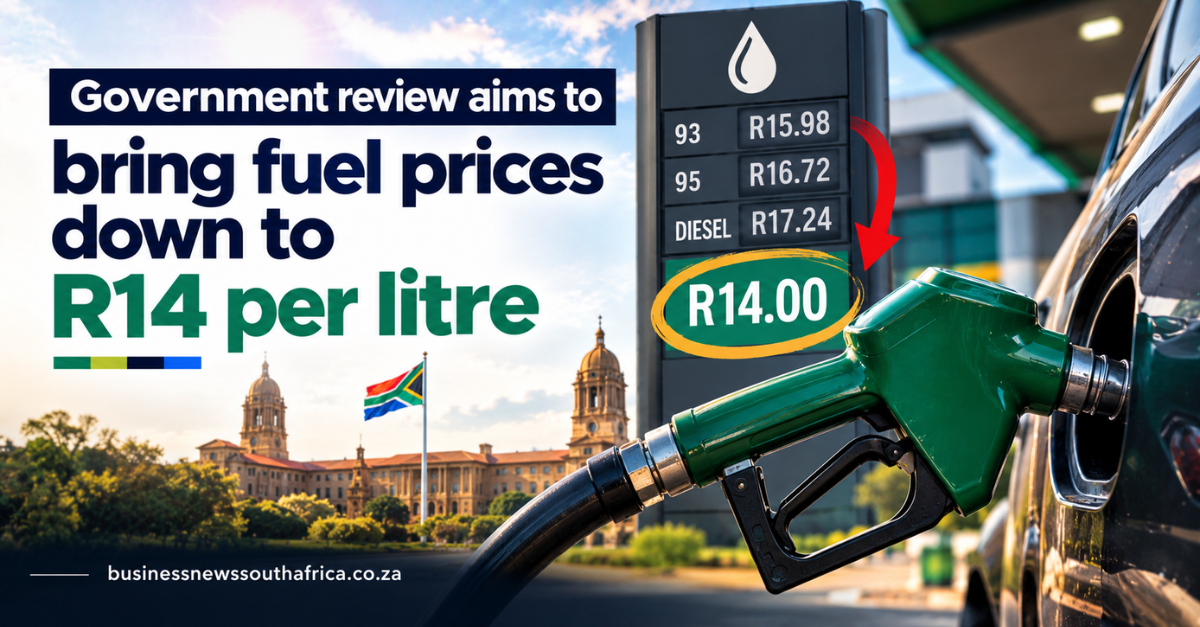
Minerals and Petroleum Resources Minister Gwede Mantashe has repeatedly argued that South Africans should be paying around R14 per litre if fuel-related levies such as the Road Accident Fund levy and the general fuel levy were separated from the underlying fuel price. He says the current mix of charges is “distorting the price of fuel” and that a new formula would make the true cost of fuel visible.
That target faces a steep hill. Global oil prices have surged, with Brent crude hovering near $110 a barrel as tensions in the Middle East rise. South Africa, a net importer of petroleum products, feels the squeeze of higher international prices and a weaker rand. Data from the Central Energy Fund show under-recoveries, shortfalls that fuel retailers must cover, that could add roughly R2 per litre in October, pushing pump prices toward R30.
What the review covers
The department’s plan says the review will examine the Regulatory Account System and take a detailed look at four margin structures that influence fuel prices: wholesale, retail, storage and distribution. By dissecting these layers, the government hopes to isolate the portion of the price that comes from levies and other non-fuel costs.
If the R14 target were achieved, the savings would be tangible. A 45-litre petrol tank would cost R630 instead of the current R1,200-plus level, saving roughly R580. A 60-litre SUV could see a reduction of about R775 on a full fill-up. Diesel owners would see even larger cuts, with a 75-litre tank saving over R1,200.
For motorists and small transport businesses, the key question is timing. The review is not expected to finish until early 2027, and the government has not commented on whether the R14 figure remains realistic in light of the latest oil price spikes. Until a final formula is published, drivers should plan for the possibility of further price hikes later this year.
Read more about how fuel price changes affect everyday budgets in our Retail & Consumer coverage.
Source: BusinessTech
South Africa’s fuel price is calculated using a regulated formula tied to international product prices, freight costs and the rand-dollar exchange rate, rather than being set purely by domestic market competition, which means a government review aimed at bringing prices down typically has to target the formula’s own components, taxes, levies and margin allowances, rather than simply asking retailers to charge less. Fuel price reviews of this kind have recurred periodically for years without always resulting in a lower pump price, since global oil prices and currency movements can offset any domestic policy change within the same review cycle. The Department of Mineral Resources and Energy’s own fuel pricing framework sets out how the current formula is structured. For related coverage, see this site’s Energy and Infrastructure coverage.
Previous fuel price reviews have also examined whether the regulated retail margin built into the price formula remains appropriate given rising costs for service station operators, a separate lever from the international product price and tax components that tends to receive less public attention despite directly affecting small business owners who run franchised fuel outlets.
Small business owners running fuel-dependent operations, delivery services, taxis, agricultural transport, tend to feel a fuel price change more acutely and more immediately than larger corporates with hedging arrangements or the ability to pass costs through more easily to customers.