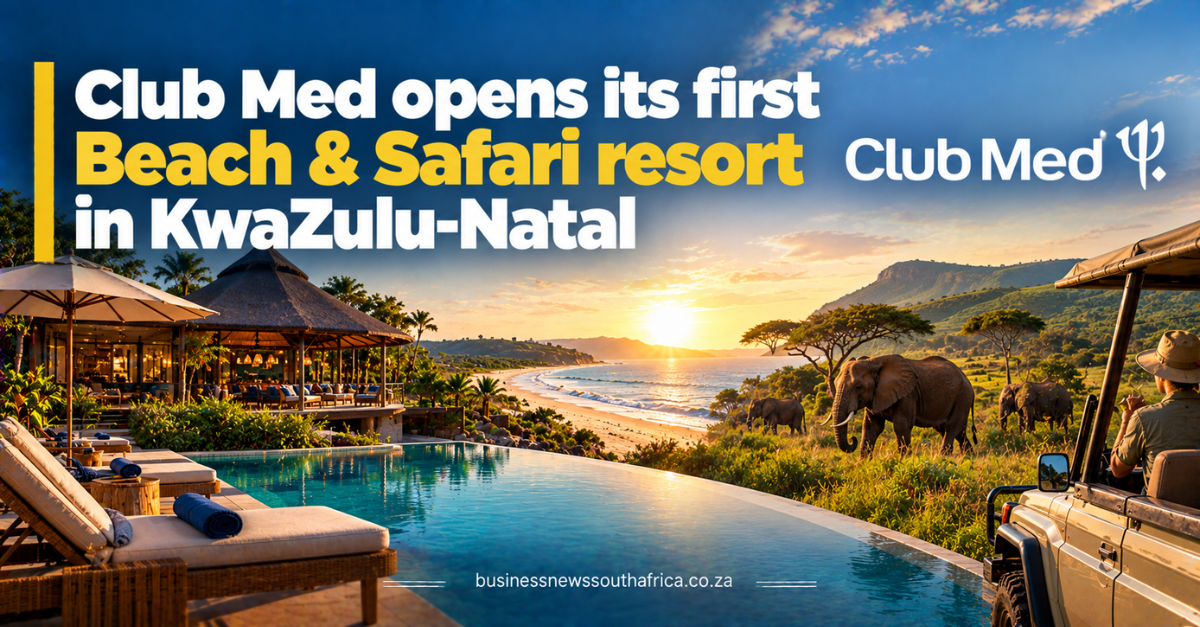
On a sunny morning in KwaZulu-Natal, a ribbon was cut to mark the opening of Club Med‘s first Beach & Safari resort in South Africa. The French operator, known for its all-inclusive holiday villages, chose the coastal province for its debut in the local market.
For owners of hotels, guest houses, tour operators and other tourism-related SMEs, the new resort adds a high-end accommodation option that could draw additional international and domestic visitors to the region. Increased visitor numbers often translate into more demand for local transport services, food suppliers, entertainment venues and craft markets.
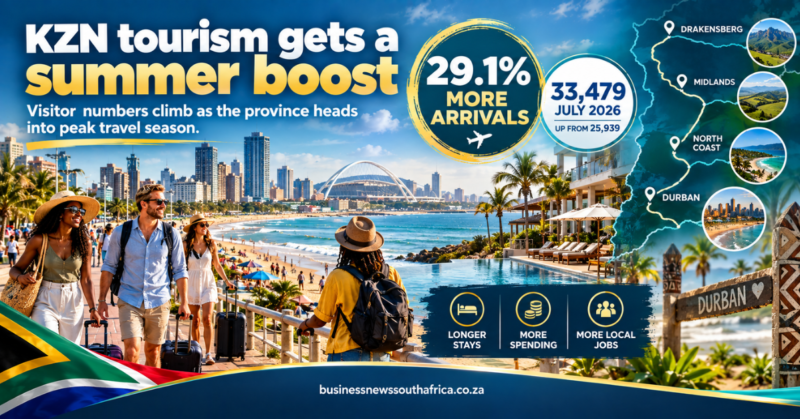
Tourism remains a key pillar of the South African economy, contributing roughly 9% to gross domestic product and supporting around 1.5 million jobs in recent years, according to data from the Reserve Bank. The sector has been recovering from the pandemic slump, but continues to face challenges such as load-shedding and fluctuating exchange rates. A new, internationally recognised brand like Club Med can help stabilise visitor flows, especially in a province that already benefits from attractions such as the Drakensberg and the iSimangaliso Wetland Park.
What this means for local businesses
While the announcement did not disclose the investment size, the number of rooms or the projected employment figures, SMEs can still position themselves to benefit. Supplying fresh produce, laundry services, or organising excursions are typical contracts awarded by large resorts. Entrepreneurs may also explore partnerships for joint marketing or consider using the commercial funding suite to finance capacity upgrades aimed at meeting the standards expected by an all-inclusive operator.
Without detailed figures, the exact economic impact remains uncertain. Club Med has not released a statement on job creation or local procurement plans, and independent verification of the resort’s capacity is pending.
Combining a beach and safari offering under one resort brand reflects a broader trend in South African tourism development, bundling the country’s two strongest international drawcards, coastal leisure and wildlife experiences, into a single itinerary rather than requiring international visitors to book separate trips to different regions. KwaZulu-Natal specifically has marketed itself around this combination for years, given its proximity to both the Indian Ocean coastline and reserves such as Hluhluwe-iMfolozi, though converting that positioning into a globally recognised resort brand has historically been harder than the natural assets alone would suggest. KwaZulu-Natal’s own tourism authority tracks visitor numbers and investment into the province’s hospitality sector. For related coverage, see this site’s Property coverage.
Resort operators in this segment generally target a mix of international visitors on multi-stop itineraries and domestic South African travellers seeking a shorter, more accessible version of the same beach-and-wildlife combination, a dual customer base that requires different marketing and pricing strategies run in parallel.
Club Med’s entry into this specific format also tests whether an established international resort brand can successfully adapt its all-inclusive model to a South African context, where local competitors have typically built their own bespoke lodge and beach offerings rather than operating under a globally standardised brand template.
Seasonal demand patterns in KwaZulu-Natal’s tourism sector, tied heavily to South African school holidays and the December peak season, mean a new resort’s early performance is often not fully evident until it has traded through at least one full annual cycle.
Employment generated by a new resort development extends beyond direct hospitality roles to construction, landscaping and ongoing maintenance contracts, providing a broader local economic benefit than headline hospitality job numbers alone typically capture.
International resort brands entering South Africa have historically needed to adapt their standard operating procedures to local labour law and BCEA requirements, which differ in material ways from the jurisdictions where a brand like Club Med originally developed its operating playbook.