Trade, Industry and Competition Minister Parks Tau has sent off the first cohort of the reimagined Foreign Economic Representatives (FER) programme, telling them to win investment, export markets and deals for South Africa. Speaking on Tuesday, according to SAnews, he said the representatives would help advance the country’s commercial diplomacy and measured them on “investment secured, deals closed and jobs created at home”. For exporters, the practical question is what these representatives will actually do for a small business, and the minister was specific about that.
The strategy behind the posting
Tau said the global trading environment has changed, with geopolitical instability, conflict, unilateral trade measures and shifting value chains, and that South Africa’s exports to traditional partners and to emerging markets such as the Middle East have felt it. The government’s response is the Butterfly Strategy, which aims to diversify the markets South Africa sells to, the products it exports and the sources of investment. Africa remains central. The strategy targets 27 key markets across the continent, North and South America, Europe, and North and South Asia, and seeks closer engagement with markets such as ASEAN, MERCOSUR and Eurasia. Our report on the loss of AGOA access shows why diversification is on the agenda.
What the representatives are asked to do
- Attract investment: identify international companies that want to expand, relocate or set up production, build a pipeline and “stay with them until the investment lands”.
- Focus on quality: productive investment that expands manufacturing capacity, deepens local supply chains, transfers technology and skills, and creates lasting jobs.
- Open markets for exporters: facilitate partnerships and help South African businesses overcome barriers to international trade, working with the dtic, InvestSA and the Department of International Relations and Cooperation.
- Be accountable: success is to be judged on investment secured, export deals concluded, market barriers removed and jobs created, not meetings held.
The minister said the representatives were chosen through assessment, training and selection based on experience, skills and ability to deliver measurable results. The report does not say how many were appointed or which cities they go to.
The small business angle
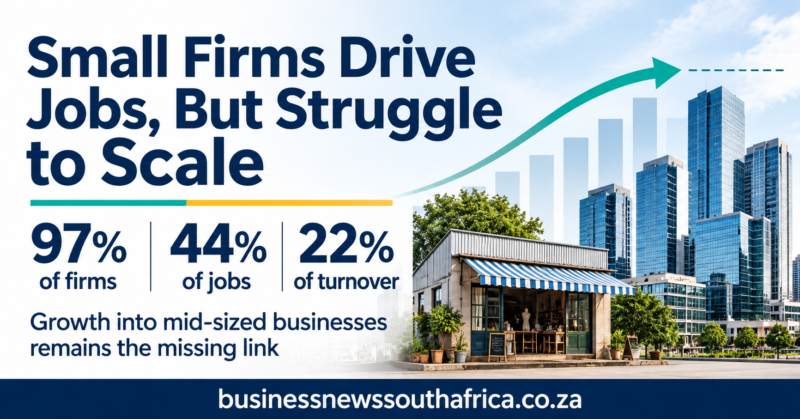
Tau singled out small and medium enterprises, which often cannot open their own international offices. In his words, a large corporation can afford an office in Dubai or Sao Paulo, but a family-owned manufacturer in Ekurhuleni or an agro-processor in the Eastern Cape cannot, and for them the representative is “that office”: their market intelligence, first introduction and advocate when a barrier appears. He said global markets “must not be the preserve of our biggest companies”.
What exporters can do now
- Use the existing support. The dtic’s export marketing grant can reimburse costs for trade fairs, buyer trips and foreign product registration; see our explainer on EMIA.
- Be ready to be found. The minister said investors need to see the opportunity clearly and understand incentives, special economic zones and industrial parks. For an exporter, a one-page sheet with your products, volumes and certifications is a sensible thing to have ready; that is our suggestion, not the minister’s.
- Watch the targets. The 27 key markets are where support is likely to concentrate, so an exporter already selling into one of the regions named should say so to the dtic or InvestSA.
This article reports a government speech and is general information, not financial advice.