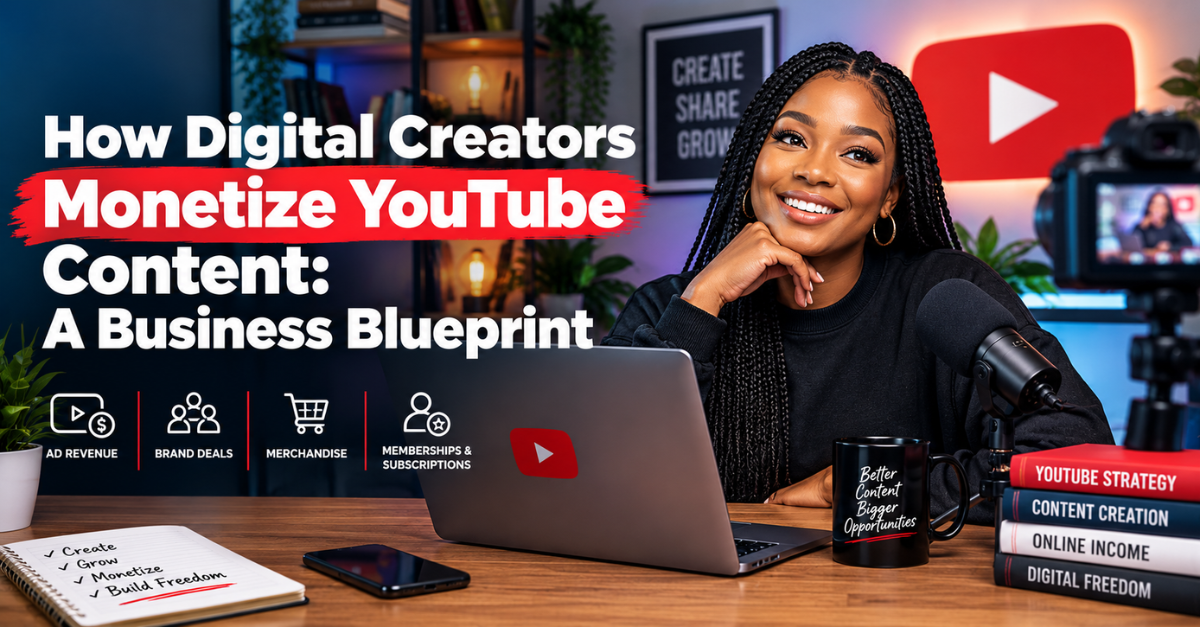
A Bright Side video published on YouTube in July 2018 sets out the ways a creator can earn from a channel: ads, licensing viral clips, merchandise, affiliate sales and sponsorships. The video is nearly eight years old, and some of its specific rules have changed, so this article separates what it advises from what YouTube currently requires.
What it means for a business: a channel can be run as a revenue line, but ad income only starts once the channel qualifies, and it works best alongside other income such as sponsorships or product sales. Check YouTube’s current rules before you plan around any threshold.
What the video advises
The narrator says a channel can be about almost anything and that the creator should choose a username that is easy to remember. “It’s better to choose your username carefully because the more complicated it is, the less chance there is that you’ll make it big,” the narrator says.
Viewers should be able to find the videos, so add keywords linked to your content in the advanced section of your channel settings. The narrator also says consistency matters: “So, try to keep a pace of at least one video a week. This way, people will be waiting impatiently for the next week to find out what your new video will be.”
The narrator tells creators to watch their analytics and comments to learn what viewers respond to: “So, if you’re still building your audience, pay attention to those numbers and graphs. They can tell you pretty much anything about your viewers and subscribers and give you ideas on how to improve.”
Ways to earn, according to the video
- Ads: once a channel qualifies, YouTube places ads in videos, and payment goes through Google AdSense. The narrator says AdSense needs a PayPal account or valid address to know who to pay.
- Licensing: if a video goes viral, “you can license your content in exchange for money”, and the narrator says TV, news and media outlets will have to reach out for the rights.
- Merchandise: the narrator suggests selling your own merchandise once a channel is prominent, and mentions freelance sites such as Fiverr for design help.
- Affiliate sales: earn a commission by promoting other companies’ products, with Amazon and eBay given as examples. The narrator warns that this can change your content, because you have to review the products.
- Sponsorships: the narrator also mentions seeking sponsorship from companies for advertisements.
What has changed since 2018
The video says you need “at least 4,000 hours of watch time and 1,000 subscribers to start earning money”. YouTube’s current Partner Programme help page lists two routes for ad revenue sharing: 1,000 subscribers with 4,000 qualified public watch hours, or 1,000 subscribers with 10 million qualified Shorts views. It also requires an AdSense for YouTube account, and new channels go into a review queue. We did not read any other tiers or country differences on that page, so check YouTube’s page for your own channel.
The video also describes steps that no longer match YouTube’s tools, such as using a Google+ account, enabling monetisation from the video manager, and a separate 15,000 hour requirement to become a partner. We could not confirm that last requirement still exists, and we have not repeated it as advice.
Related reading on our site: Hybrid agency models replace pure in-housing for South African brands and ChatGPT ads arrive in South Africa.
Correction, 26 October 2026: an earlier version of this article presented advice from a 2018 video as current, including a 4,000 hour and 1,000 subscriber threshold and a 15,000 hour partner requirement, and added claims about South African data costs and a business roadmap that the video did not make. It has been corrected.