Gauteng’s water utilities are doing the thing every parent recognises: watching consumption creep up and gently, then less gently, asking everyone to just use less. The Gauteng Provincial Government has warned that water supplies could become genuinely strained in Johannesburg and Pretoria if households, businesses and institutions do not cut back, with department spokesperson Elijah Mhlanga pointing to a steady rise in consumption even as reservoir and tower storage levels fall.
Reservoirs are the large outdoor tanks holding water before treatment; tower storage is the elevated tanks that keep water pressurised for distribution. Both are dropping even with pumping stations running at or near full capacity, a combination Mhlanga links directly to a sudden spike in temperatures across the province this week.
The plumbing behind the headline
The three Gauteng metros, Johannesburg, Tshwane and Ekurhuleni, together use roughly 70% of the water Rand Water supplies, the bulk provider that draws from dams and rivers and sells treated water on to the metros for local distribution. That concentration is exactly why a temperature spike in one province can strain a system serving millions: the demand surge is not spread thin, it lands on the same bulk supplier and the same three distribution networks all at once.
For small and medium enterprises, reliable water is not a luxury input, it is closer to electricity in how directly it touches daily operations: retail stores need it for cleaning and customer facilities, manufacturers for production processes, and every office-based business for basic day-to-day function. A genuine shortfall could force municipalities into temporary restrictions, which would land directly on operating costs and service delivery for exactly the businesses least equipped to absorb another unpredictable input cost.
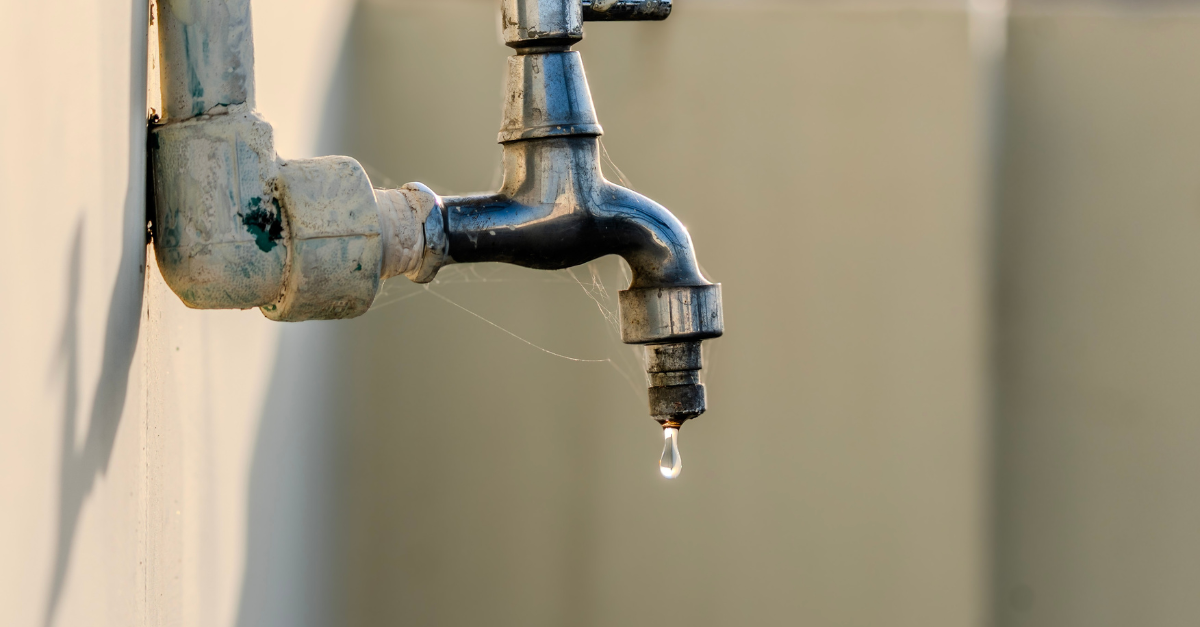
Mhlanga has urged residents to build conservation into daily habits and report leaks or burst pipes promptly, with Community Development Workers being deployed to promote water-saving behaviour such as fixing dripping taps and installing low-flow fixtures. Businesses are being asked to audit their own water use, fix wastage quickly, and consider re-using grey water where feasible, unglamorous measures that nonetheless add up at scale.
South African Weather Service forecaster Thabo Magoro attributes the heat to a powerful high-pressure system over the Atlantic, conditions that fall short of a technical heat wave but are still enough to lift water demand for both cooling and personal hydration. His advice, stay hydrated, wear long sleeves, avoid unnecessary long trips, is aimed at households, but the underlying weather driver is exactly what businesses reliant on Gauteng’s water supply should be tracking too.
The provincial government says it will keep monitoring consumption and reservoir trends, and if the upward trajectory continues, officials may need to consider more formal measures such as timed supply cuts or higher tariffs for excessive use, an escalation path South African businesses have already lived through with load shedding and would understandably prefer not to repeat with water. Enterprises would do well to fold water-risk management into short-term planning now, before a warning becomes a restriction.
Gauteng’s water challenge sits on top of an infrastructure story similar in shape to the province’s electricity one, even if it gets less attention. Much of the region’s bulk water infrastructure, the pipes, pump stations and reservoirs Rand Water and the metros rely on, was built decades ago for a smaller population and a smaller economy, and population growth combined with ageing infrastructure has left less headroom to absorb a genuine demand spike like the one driving this warning. Businesses that have already invested in water storage tanks, boreholes or greywater systems as a hedge against exactly this kind of provincial strain will likely find that investment paying off again here, the same resilience playbook applied to a different utility.