On a rainy Tuesday morning in Johannesburg, a line of shoppers lingered outside a small grocery store, glancing at the price tags while the owner checked his sales tablet. The scene is a micro-cosm of a broader warning sounded by Business Leadership South Africa (BLSA) chief executive Busi Mavuso: the country’s economy has shrunk and the job market is slipping, a combination that could tighten consumer wallets and squeeze retail margins.
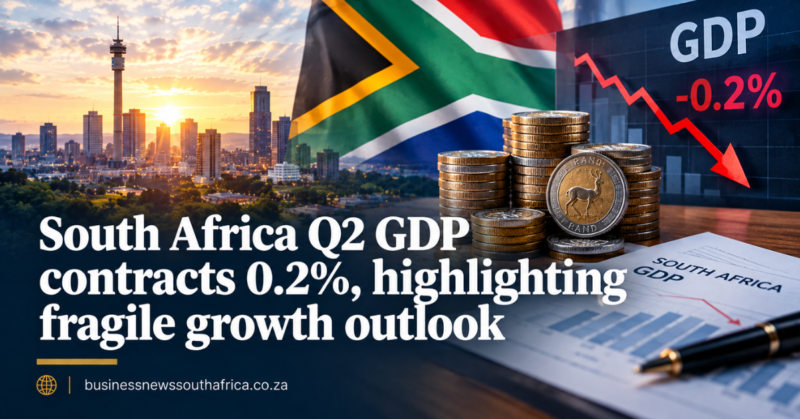
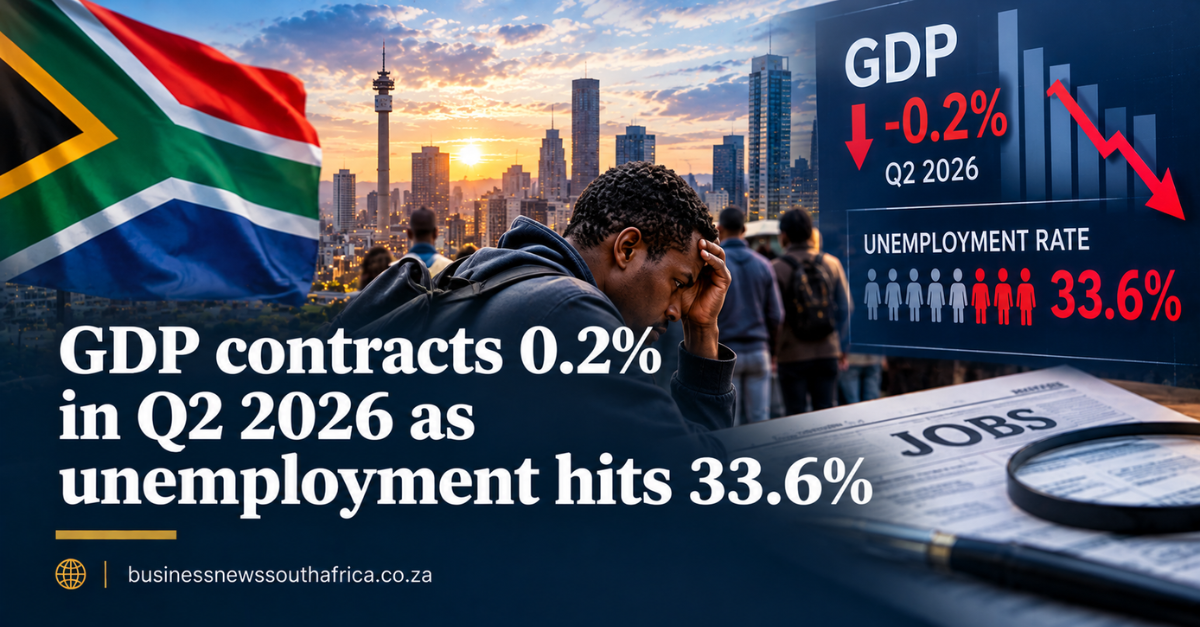
Stats SA, the official statistics agency, reported that gross domestic product (GDP, the total value of all goods and services produced) fell by 0.2% in the second quarter of 2026. The same quarter saw the unemployment rate rise to 33.6% in the Quarterly Labour Force Survey, meaning roughly one in three South Africans was without work. Mavuso said the contraction “shows just how fragile the economy is and how much work still lies ahead”. Those figures are not abstract; they translate into fewer people with disposable income, slower foot traffic for stores, and a tougher environment for small and medium enterprises that rely on steady consumer demand.
While the headline numbers are stark, the underlying drivers matter for retailers. Trade, manufacturing and mining activity all shrank, agriculture grew only slightly, and electricity and transport provided modest upside support. In plain terms, the supply chain that feeds supermarkets and clothing shops faced reduced output, while the logistics that move goods across the country remained under pressure. For a shop owner, that can mean higher wholesale prices and longer delivery times, both of which erode profit margins.
Investment gaps and the role of state-owned enterprises
Mavuso highlighted two missing ingredients for a turnaround: reliable infrastructure and fresh investment. She noted that gross fixed capital formation (GFCF, the amount spent on physical assets such as factories, roads and equipment) slipped to 13.6% of GDP, down 0.2 percentage points from the previous quarter. President Cyril Ramaphosa has set a target of 20% of GDP for GFCF, arguing that reaching that level would help achieve the 3% annual GDP growth needed to create jobs.
The chief executive said private investment remained relatively stable, but state-owned enterprises (SOEs) such as Transnet and Eskom were under-performing against their own investment mandates. Transnet posted a profit of R4.6 billion after a R1.9 billion loss the year before, while Eskom recorded a R30 billion profit, both buoyed by one-off items. Mavuso cautioned that Transnet still needs to lift its freight volumes to sustain profitability, and Eskom continues to wrestle with municipal debt, falling sales and uncertain pricing. In her view, the balance sheets of these SOEs must be strong enough to fund the infrastructure that underpins retail supply chains.
For SME owners, the message is clear: without a reliable flow of electricity and efficient rail and port services, the cost of doing business rises. Even if a retailer can keep shelves stocked, higher operating costs may force price hikes that further dampen consumer demand.
What can businesses do while the macro picture steadies? Mavuso urged a “Phase 3” partnership between government and the private sector to rebuild confidence. She argued that reforms in electricity and logistics are creating the conditions for growth, but confidence, the belief that policies will be implemented consistently, is the trigger for new investment. Until that confidence materialises, retailers may need to tighten credit terms, diversify suppliers and focus on value-added services that can command higher margins despite a constrained market.
The reality check is not just about numbers; it is about the day-to-day decisions of shop owners, franchisees and online merchants. A contraction in GDP and a rise in unemployment signal fewer customers, tighter cash flow and a higher risk of stock-outs. At the same time, the modest profit rebounds at Transnet and Eskom suggest that the biggest utility players are stabilising, which could eventually translate into more reliable power and transport for retailers.
In short, the macro data point to a fragile economy that will test the resilience of South Africa’s retail sector. Business leaders who can adapt to tighter consumer budgets, manage supply-chain disruptions and watch for signs of improved infrastructure investment will be better placed to survive the current downturn and position themselves for the next growth cycle.