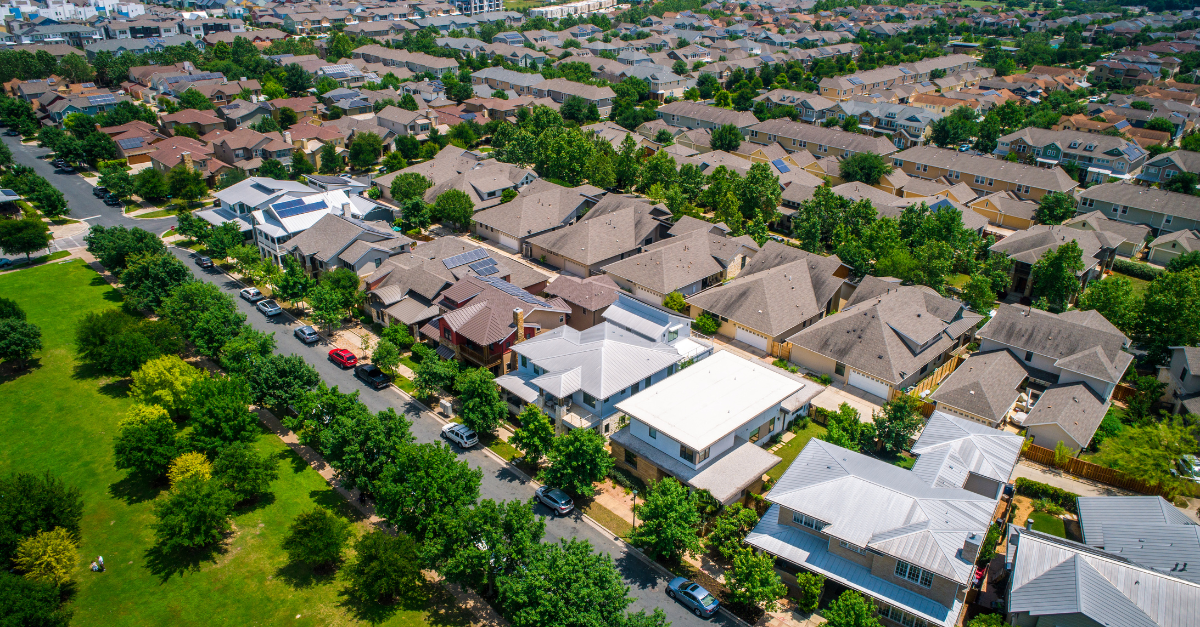
While most of the South African economy has spent the past few years nervously watching interest rates and a wobbling rand, one corner of the property market appears to be having a genuinely good time. Daily Investor reports that wealthy buyers are flocking to South African luxury estates, the kind of high-end residential property typically priced at several million rand, a segment that seems remarkably unbothered by the headwinds squeezing everyone else.
Luxury estates have long attracted a mix of local millionaires and overseas investors treating South African property as a stable store of value, and the current wave of interest, while not quantified in Daily Investor’s reporting, suggests the segment remains genuinely resilient even as slower growth and elevated interest rates weigh on the broader economy. That resilience is not a new phenomenon: high-end real estate globally tends to be less sensitive to the interest-rate cycle than mid-market housing, since buyers at this level are typically less dependent on financing and more focused on long-term value preservation.
The rand’s role in someone else’s buying spree
South Africa’s luxury market has historically drawn foreign capital, particularly from buyers in the United Kingdom, the United Arab Emirates and other high-income economies, and a weaker rand plays directly into that appeal by making local property look cheaper in foreign-currency terms, encouraging exactly the kind of cross-border purchases Daily Investor is describing. Domestic high-net-worth individuals, meanwhile, often treat premium real estate as an inflation hedge, a way of parking wealth in an asset that tends to hold value better than cash sitting in an account being quietly eroded by rising prices.
For small and medium enterprises supplying building materials, interior design services or property-management solutions, a genuine boost in luxury sales can create a real ripple effect: new contracts, new jobs, and a category of client with both the budget and the expectation for top-tier finishes, robust security features and prime locations. That last part cuts both ways for developers, who get premium pricing but also face tighter financing conditions and considerably less room for error on quality than in the mass housing market.
It is worth being honest about the limits of this particular report. The claim of increased buyer activity comes directly from Daily Investor, without specific transaction numbers, price ranges or the names of estates involved, which means the extent of the surge remains, for now, an observation rather than a documented trend. Stakeholders genuinely interested in whether this holds should watch for upcoming quarterly reports from major developers and real-estate agencies, since those filings will carry the actual transaction data this initial report does not.
If the trend does hold up under that scrutiny, it reinforces something South Africa’s property sector has leaned on before: a luxury segment that acts as a stabilising force even when the broader market wobbles, and a genuine, if narrow, opportunity for SMEs able to align their services with what affluent buyers actually expect.
South Africa’s luxury estate market has also benefited over the years from a lifestyle pitch that goes well beyond the property itself: private security, golf courses, wildlife reserves and wine-farm settings that are genuinely difficult to replicate at this price point in most other countries, which is part of why the segment continues attracting international buyers even during periods when the country’s broader investment story looks less compelling on paper. That differentiation matters because it means demand for true luxury property is driven by a different set of buyer motivations, lifestyle and asset diversification, than the affordability-driven demand shaping the rest of the housing market, which is exactly why the two segments can move in different directions at the same time without contradicting each other.
Lightstone Property’s own transaction data is the primary source cited for claims like this about foreign and semigration-driven demand in the luxury segment.