Every September, South African brands rediscover the braai. Heritage Month arrives and suddenly there is no shortage of flames, flags, shisanyama, pap and, inevitably, boerewors. The statement comes from a recent Bizcommunity article that frames the sausage as a barometer of how the nation shops during the month.
For small food manufacturers, independent retailers and marketing teams, the boerewors boom is more than a cultural footnote, it is a concrete signal of where consumer dollars are flowing. When a national celebration triggers a spike in demand for a single product, the ripple effect can be measured in shelf space, promotional budgets and supply-chain planning. In practical terms, a local sausage maker who can scale production to meet the September surge may secure a foothold in supermarkets that otherwise allocate limited shelf space to imported meats.
Why the boerewors matters to small businesses
Boerewors, literally “farmer’s sausage”, is a staple of the braai (the South African version of a barbecue). Its composition, typically a blend of beef, pork and spices, varies by region and brand, allowing producers to differentiate on flavour, size and packaging. During Heritage Month, retailers often create dedicated displays, run price promotions and bundle boerewors with complementary items such as pap (maize porridge) and sauces. The result is a short-term lift in sales that can be captured by agile SMEs that understand the timing.
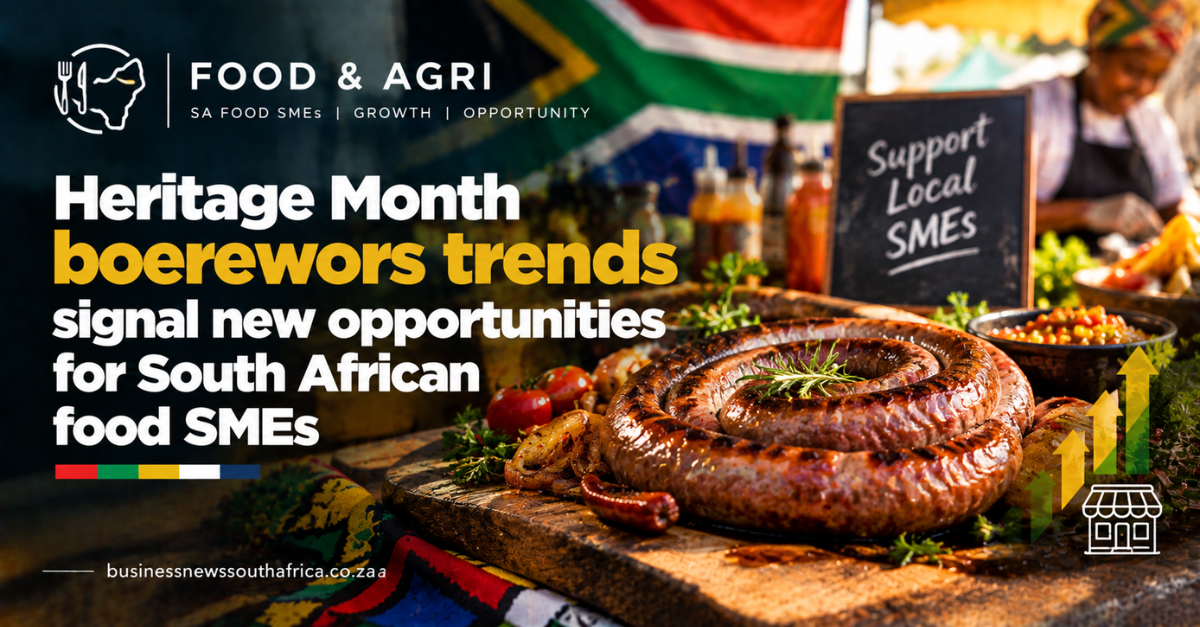
According to the Bizcommunity piece, the visual of a grill full of boerewors has become a marketing shorthand for “South African authenticity”. For a small business, that shorthand can be turned into a branding advantage. A producer that markets its product as “heritage-grade” or highlights locally sourced meat can tap into the patriotic sentiment that peaks in September. The same logic applies to retailers that position boerewors as a centerpiece of their Heritage Month offers, a strategy that can drive foot traffic and increase basket size.
Beyond the immediate sales lift, the boerewors trend offers data points for longer-term planning. Consumer preference for certain spice blends, packaging formats (e.g., vacuum-sealed versus fresh), and price points can be inferred from which brands dominate the shelves during the month. Small businesses that track these signals can adjust product development cycles, negotiate better terms with suppliers and fine-tune their pricing strategy for the rest of the year.
It is worth noting that the boerewors surge is not isolated. Similar seasonal spikes occur around other cultural events, for example, the increase in wine sales during Valentine’s Day or the rise in confectionery purchases around December. The common thread is that heritage-linked celebrations create predictable demand windows that SMEs can exploit with relatively low marketing spend.
However, the opportunity comes with caveats. The article does not provide hard numbers on the size of the September lift, so businesses should treat the trend as a qualitative cue rather than a guaranteed revenue stream. Production capacity, cold-chain logistics and compliance with the Reserve Bank’s pricing regulations are practical considerations that can limit how much a small producer can scale up without compromising quality.
For entrepreneurs looking to enter the market, the boerewors story underscores the importance of timing and cultural relevance. A new brand that launches just before Heritage Month, with a clear narrative around South African tradition, can ride the wave of consumer enthusiasm. Conversely, a brand that fails to align its messaging with the heritage theme may struggle to gain shelf visibility amidst the crowded promotional landscape.
In the broader economic picture, Heritage Month’s focus on locally produced food aligns with the government’s push for greater domestic sourcing. The Department of Trade, Industry and Competition has repeatedly highlighted the need to support small-scale manufacturers as a way to boost job creation and reduce import dependence. While the Bizcommunity article does not cite specific policy measures, the cultural momentum around boerewors fits neatly into that strategic direction.
Small businesses that want to act on these insights can start by reviewing their current product range for heritage-compatible items, assessing production flexibility for a September ramp-up, and exploring promotional partnerships with retailers that feature heritage-month displays. Tools such as the commercial funding suite can help secure short-term financing to cover increased raw material costs.
In short, the humble boerewors is more than a tasty treat, it is a seasonal indicator that, if read correctly, can guide small food producers and retailers toward profitable decisions during Heritage Month and beyond.