When a chant from Wynberg Boys’ High in 2023 spread across schoolyards and TikTok feeds, it became more than a school rally, it turned into a national war cry. The story, first reported by Bizcommunity, illustrates how everyday communication can become part of South Africa’s collective memory.
For small business owners and marketers, the takeaway is clear: cultural relevance does not come from checking boxes for representation. It comes from spotting the absurd, the familiar phrase, the shared frustration that people already use. Nando’s, for example, has built a brand voice that leans into topical humour and lets its ads become part of the national conversation, rather than trying to manufacture a moment.
Why authenticity matters for SMEs
South Africa has no single audience. Languages, histories and identities vary widely, so a campaign that features every demographic can still feel alien to the people it tries to reach. The article points out that relatability lives in small details, a family dynamic, a phrase that sounds like something a neighbour would say. When those details are observed, not invented, they travel across divided audiences because they feel genuine.
Communicators are therefore urged to ask two harder questions: does the language sound like something people would actually say? Does the situation feel observed, not invented? The answer determines whether an advert becomes a meme that endures beyond the product, or fades once the media spend stops.
For entrepreneurs, the lesson is practical. A well-observed detail can become a free marketing asset, repeated by consumers in their own conversations and on social platforms. That organic spread reduces the need for costly media buys and builds a brand that feels “so South African” without the brand having to force it.
In a country where humour often turns political moments, such as Jacob Zuma’s “in the beginning” meme or Cyril Ramaphosa’s pandemic briefings, into viral jokes, brands that tap into that instinct can embed themselves in cultural memory. The article warns that the line between cultural relevance and cultural appropriation is thin, and that misreading the audience can backfire.
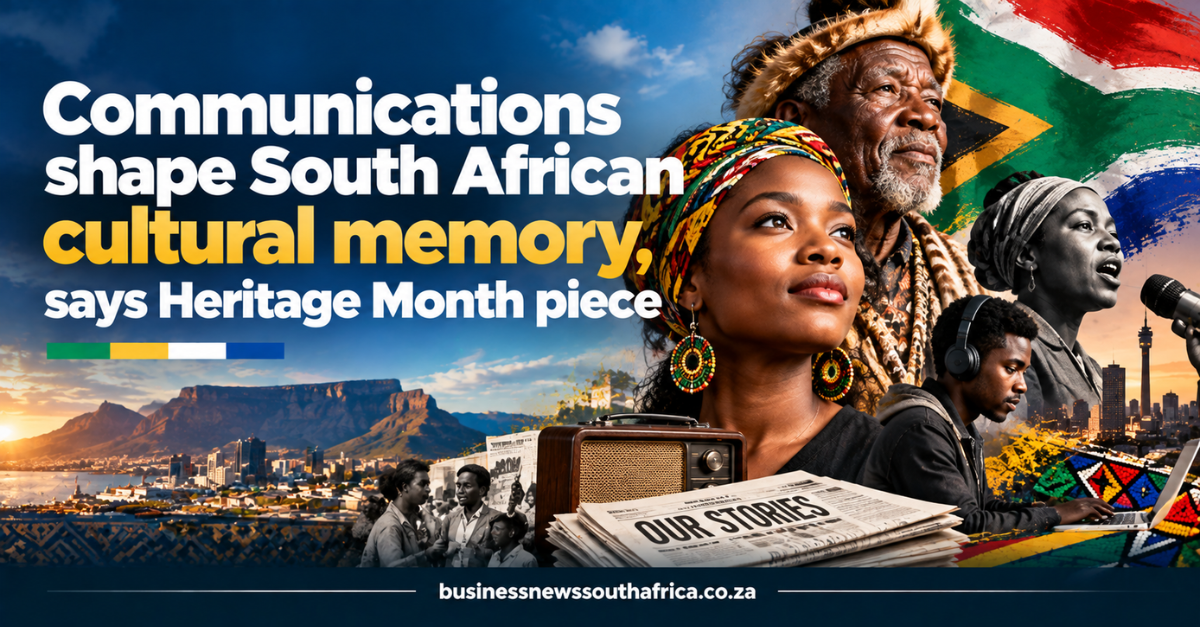
Ultimately, the piece argues that communications do more than reflect culture; they help create it. Advertisers, marketers and small-business owners who pay close attention to the culture already happening can craft work that lives on in language, jokes and memories long after the campaign ends.
For more guidance on building authentic brand messages, see our SME & Entrepreneurship resources.
South African marketing bodies have increasingly researched how local slang, sport and school culture move faster online than a formal campaign brief ever could, which is part of why brands with an in-house social team able to react within hours tend to outperform those relying on a slower agency approval chain for a cultural moment like this one. MarkLives, a South African marketing industry publication, tracks how local brands have adapted their own social strategy to this kind of fast-moving cultural moment. For related coverage, see this site’s SME and Entrepreneurship coverage.
Local brands that misjudge a cultural moment, either by reacting too slowly or by appearing to force relevance onto something organic, tend to face visible public pushback on the same social platforms that made the moment go viral in the first place, which is part of why several larger South African companies now run dedicated social listening teams rather than relying solely on a scheduled content calendar.
Nando’s own advertising has, on occasion, drawn regulatory scrutiny alongside praise, since topical humour that lands well with one audience can read as tone-deaf or offensive to another, a risk any brand leaning into fast-moving cultural commentary has to weigh against the reward of feeling relevant.