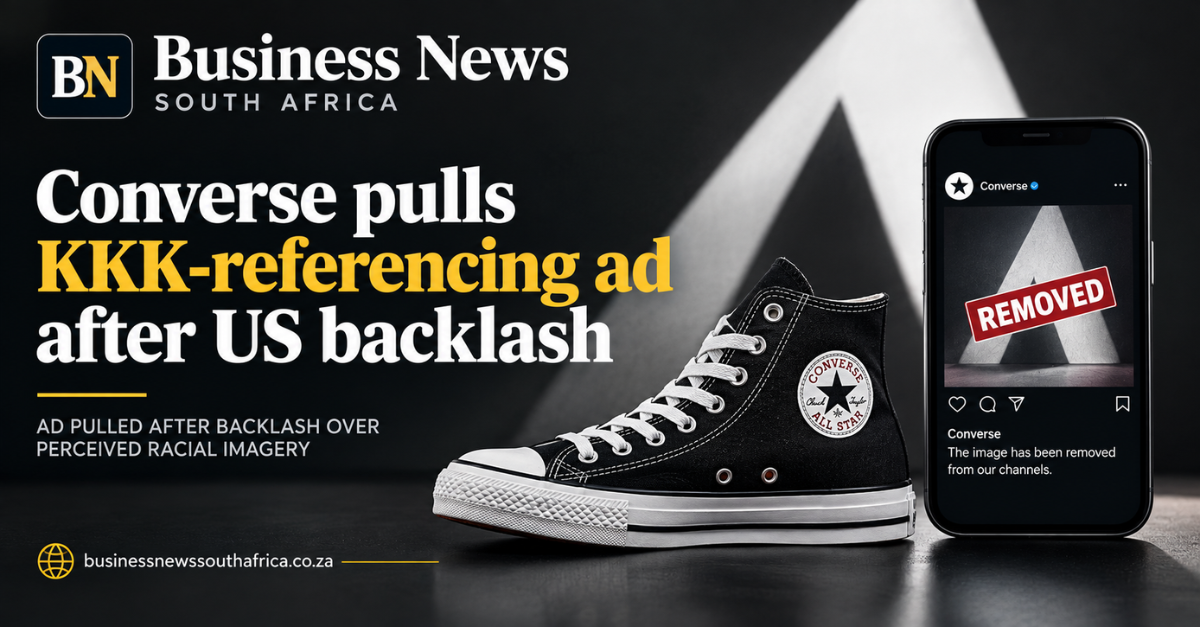
When a photo of a Converse sneaker appeared on the brand’s Threads account, the spotlight behind the model was shaped like the iconic star and a bright triangle on her skirt caught the eye of social-media users. The visual cue reminded many of the outline of a Ku Klux Klan hood, and the black shoes hanging from the model’s hands looked, to some, like a victim of a lynching.
The image featured Karina, global ambassador for Converse and member of the K-pop group aespa, standing in the light. Within hours, the post attracted criticism from US Rep. Troy Carter, who called the ad “racist, reckless and deeply offensive” and demanded that the staff involved be fired. Celebrities, marketing experts and a Texas-based civil-rights attorney, Lee Merritt, added their voices, arguing that the brand had failed at every stage of its advertising vetting process (the series of checks a company does before a campaign goes live).
Converse, owned by Nike, issued a brief statement through Nike: “We’re sorry. We understand why this image is deeply upsetting and recognise that we got this wrong. We removed it from our channels and are working to remove it everywhere it appeared. This should not have happened, and we will do better.” No further comment was given.
While some users defended the creative intent, pointing out that the caption “Under stage lights or streetlights, the star always finds the frame” was meant to be literal, the incident illustrates a growing risk for brands, especially small and medium-size enterprises that rely on social media for reach. A single misstep can trigger a global backlash, damage reputation and force costly pull-backs.
For South African marketers, the episode underscores the importance of cultural-sensitivity checks, diverse review panels and rapid response plans. Even a well-known global brand like Nike can be forced to retract an ad within hours, and the fallout can spill over into local markets where consumers are equally quick to call out perceived insensitivity.
The timing is part of why the imagery landed as it did rather than reading as an innocent lighting choice: 2026 has seen 10 reported cases of Black people found hanging across the United States, prompting US Representative Ayanna Pressley and 59 congressional colleagues to formally call on the Department of Justice and FBI to investigate the pattern, a request made just ten days before the Converse ad went live.
For SMEs looking to avoid similar pitfalls, the incident serves as a reminder to embed thorough review steps into the creative workflow and to monitor social sentiment in real time.
Read more about brand risk management in the SME & Entrepreneurship section.
What South African marketers should actually take from this
The specific failure Converse’s critics identified, imagery that could plausibly evoke racist violence, is an extreme case, but the underlying process failure, a campaign clearing internal review without anyone flagging how it could be read outside the room it was designed in, is a common one for any brand running visual campaigns at speed. South African agencies and in-house marketing teams working with global or pan-African campaign assets carry a specific version of this risk: imagery, colour choices or symbols that read as neutral in one market can carry entirely different associations locally, and a review process built around a single market’s sensibilities will miss that gap every time.
Nike has not disclosed whether the campaign underwent any formal cultural-review process before release, and its brief apology statement stopped short of committing to publish the findings of any internal review, leaving the accountability questions Carter raised unanswered for now.
Whether the incident causes any lasting damage to Converse’s sales will likely take a full quarter of results to assess, but the reputational cost of the apology itself, a public admission the brand’s own review process failed, is already locked in regardless of how the numbers land.