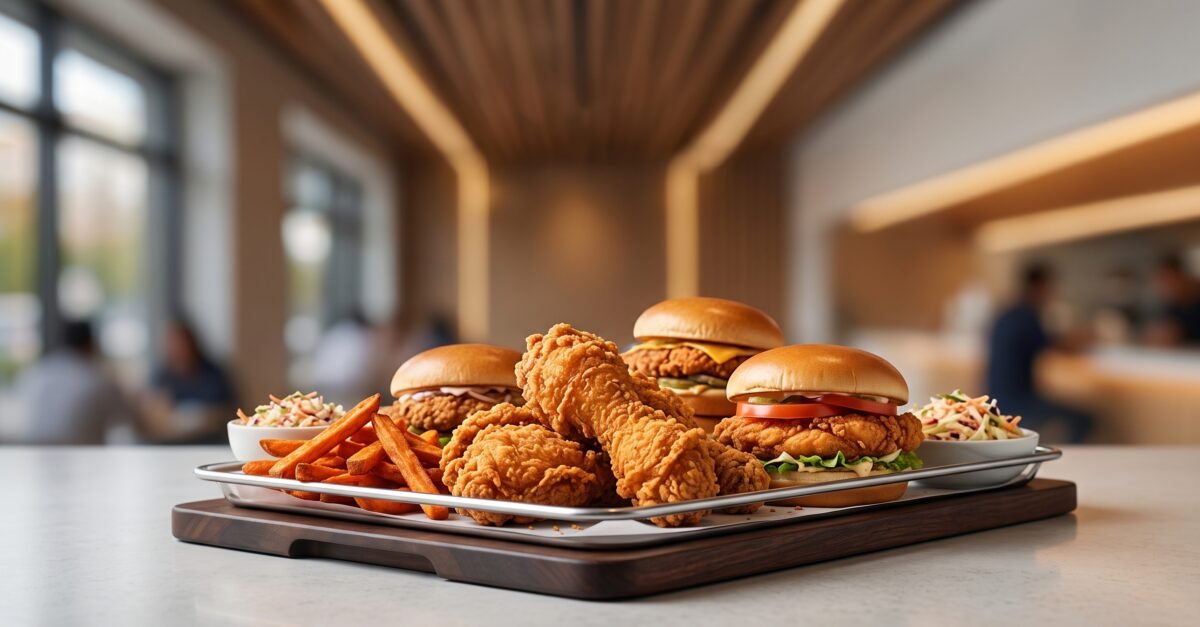
At a bustling corner of Johannesburg, the smell of fried chicken drifts from a modest kiosk, drawing a queue that rivals the line outside the city’s biggest burger chains. The scene fits neatly with a headline making the rounds this week: chicken is now, apparently, the top search term when South Africans look for fast food online.
Searches, in this context, means the number of queries typed into search engines like Google, phrases such as “best chicken fast food near me” or “chicken takeaway Johannesburg”. The claim arrives without specific figures or a defined time period attached, so the exact scale of the shift remains genuinely unverified, more vibe than dataset at this stage.
What a search-term trend actually signals for a small operator
For owners of small and medium-size fast-food outlets, the implication is straightforward even without hard numbers: consumer interest is tilting toward chicken. That could open a real window for entrepreneurs who can source affordable poultry, adapt menus quickly, and market the convenience of chicken-centric meals well. The flip side is equally real: a sudden spike in demand can strain supply chains fast, especially if poultry producers cannot scale fast enough to match a genuinely heightened appetite.
Chicken has long been a staple in South African households, prized for its price advantage over beef and pork, and that same advantage typically translates into lower food-cost percentages for fast-food operators, a genuinely critical metric for profitability in a thin-margin business. If the online interest this headline describes actually converts into foot traffic, owners could see higher table turnover without a proportional rise in ingredient costs, a rare combination in food service.
The upside is not guaranteed, though. Load shedding can disrupt cooking processes reliant on electric equipment, limiting how well smaller outlets can meet a sudden order surge, while larger chains with established logistics networks tend to secure bulk poultry supplies faster, squeezing margins for independent operators trying to ride the same wave. From a marketing angle, this surge in searches underlines how much digital visibility now matters even for a corner takeaway: businesses investing in search-engine optimisation, ensuring their listings actually surface when someone types a chicken-related query, stand to capture a real share of this growing online audience through unglamorous tactics like updating a Google My Business profile, using relevant keywords in menu descriptions, and actively encouraging customer reviews.
South Africa’s poultry industry itself has faced periodic challenges of its own, disease outbreaks, fluctuating feed costs, both of which can erode the very price advantage making chicken attractive to operators chasing this trend in the first place. Given the lack of concrete data behind the original headline, the sensible response is to treat it as an early signal worth watching rather than a confirmed market shift, tracking actual sales figures, foot traffic and local search analytics for a more reliable read on whether the online buzz is translating into real demand at the till.
South Africa’s fast-food landscape has, in fact, been trending toward exactly this kind of chicken-forward shift for a while, with several homegrown chains built entirely around fried and grilled chicken having expanded aggressively over the past decade, often outpacing burger and pizza competitors in store-count growth specifically because the input economics are more forgiving. A search-trend headline like this one is, in that sense, less a surprising discovery and more a digital confirmation of a shift the sector’s own store-opening data has been quietly signalling for years, chicken winning on price and margin long before it started winning on Google.
For a smaller, independent operator without a national chain’s buying power, the real competitive question is not whether to sell chicken, most already do in some form, but whether local sourcing and menu flexibility can be turned into a genuine point of difference against the bigger players now chasing the same trend. Independents that lean into regional flavour profiles, peri-peri variations, local spice blends, community-specific promotions, have historically carved out loyal followings that a standardised national chain menu struggles to replicate, which may matter more to long-term survival here than the search-trend headline itself.