In a modest office overlooking the Cape Town harbour, a fund analyst watches the FTSE/JSE All Share Index slip more than 4% in dollar terms this year. The dip is not just a number on a screen, it reflects a shift in sentiment from one of the world’s biggest asset managers. According to a statement from Morningstar, the firm is steering clear of South African stocks in its global portfolios.
Sean Neethling, Morningstar’s South African investment head, told the outlet the firm’s decision stems from “relatively weak economic growth” that overshadows the market’s cheap valuations. He added that the firm’s emerging-markets overweight, a position where a fund holds a larger share than the benchmark, now leans heavily toward Brazil and Mexico, with China and South Korea also in favour. Neethling oversees about R60 billion (approximately $3.7 billion) in rand- and dollar-based portfolios.
“If you look at South Africa at a company-specific level, there’s not many companies that are at the forefront of what’s driving markets right now in artificial intelligence and tech,” Neethling said. In plain terms, “overweight” means the fund is allocating more money to a region than a neutral benchmark would suggest, while “underweight”, the opposite of what Morningstar is doing with SA equities, means a smaller allocation.
The implication for local investors is two-fold. First, equity outflows could tighten the pool of foreign capital that typically supports larger listings and, indirectly, the broader market. Second, Morningstar remains overweight on South African government bonds, noting that “absolute yields and yields to maturity are among the most attractive in emerging markets, only second to Brazil.” For a rand-based investor, that translates into higher coupon payments on new bond purchases, but also a higher cost of borrowing for companies that need to raise debt.
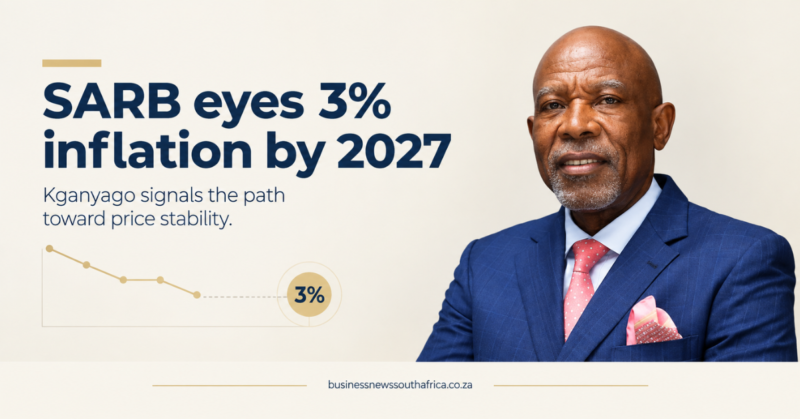
South Africa’s macro backdrop offers some context. The country’s economy has expanded by less than 1% per year for over a decade, a pace that lags behind many peers. The South African Reserve Bank raised its policy rate for the second time this year, further squeezing growth. Meanwhile, the global AI boom has lifted Asian tech firms, propelling the MSCI emerging-markets equity gauge up 21%, a rally driven largely by artificial-intelligence-related stocks that South Africa lacks.
For small-business owners and entrepreneurs, the news is a reminder that foreign fund sentiment can influence the cost and availability of capital. While the bond market’s attractiveness may lower borrowing costs for some, the reduced appetite for equity could mean fewer opportunities for equity-based financing or public listings. Keeping an eye on bond yields and staying diversified across asset classes may help mitigate the impact of such shifts.
Morningstar’s stance could reinforce a pattern of limited foreign inflows into South African equities, especially as investors chase growth stories elsewhere. The firm’s continued confidence in the bond market, however, suggests that the rand-based investor still has a niche where South Africa can offer value.
Read more about market trends in our Markets & Finance coverage.