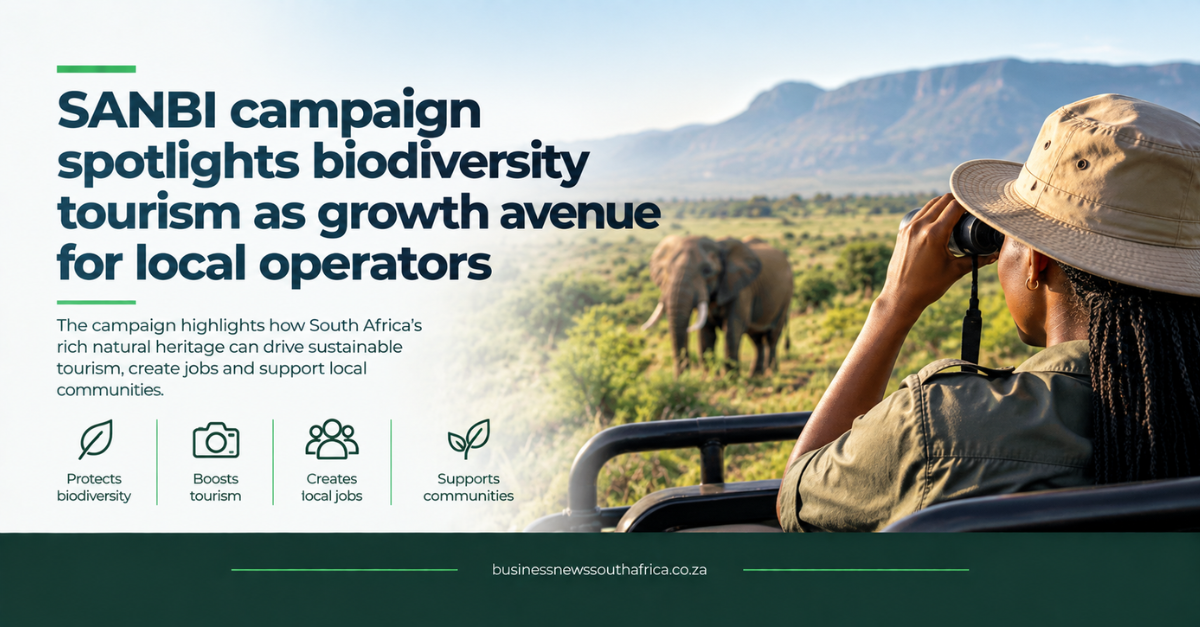
At a Saturday morning in Pretoria’s National Botanical Garden, a family follows a guide who points out a rare protea while a school group records the birds they hear on a tablet. The scene is part of the South African National Biodiversity Institute’s (SANBI) #WeAreSanbi tourism-month campaign, which aims to turn such authentic encounters into a repeatable draw for domestic travellers.
According to the press release, SANBI’s short videos feature garden managers who act as credible local voices, linking the country’s people, biodiversity, heritage and culture to the promise of a genuine experience. The campaign is not just a marketing splash; it is presented as a response to data from the World Bank’s June 2026 Tourism Watch that higher transport costs and geopolitical uncertainty are nudging South Africans toward regional and shorter-haul trips.
For owners of small travel agencies, boutique lodges, adventure outfitters or community-based tourism projects, the message is clear: domestic tourism is a sizeable market and it is increasingly looking for experiences that are rooted in nature and culture. In 2019, domestic visitors spent R42.7bn on biodiversity-based tourism, that is, travel that involves using or enjoying biodiversity, accounting for 70.4% of the R60.6bn total spend that directly supported 91,836 jobs. While the figures are three years old, they illustrate the scale of demand that remains relevant today.
What the SANBI push means for small businesses
The press release notes that a strong tourism brand must deliver on the expectation it sells. For SMEs, this translates into three practical steps. First, align product offerings with the tangible assets that already exist, local wildlife, historic sites, cultural festivals, rather than trying to manufacture an experience that feels inauthentic. Second, make value and access visible: clear pricing, easy booking channels and transparent information about what visitors will actually do on the ground reduce friction and build trust. Third, embed conservation into the business model, for example by partnering with SANBI’s citizen-science projects or by offering guided walks that double as data-collection activities.
Technology is a double-edged sword. Social media, online reviews and artificial intelligence now shape the planning journey, giving travellers more information but also exposing them to competing claims. The release warns that trust is becoming a scarce commodity. Small operators can therefore benefit from leveraging the SANBI campaign’s credibility, using the #WeAreSanbi videos, quoting the Destination Sustainability Index scores, or simply highlighting a partnership with a recognised conservation body.
South African Tourism’s Destination Sustainability Index, mentioned in the release, measures competitiveness on factors beyond promotion, such as transport, environmental care and community impact. While the index itself is not a certification, a favourable score can be used in marketing material to reassure visitors that a destination is responsibly managed.
In practice, a boutique lodge in the Eastern Cape could advertise that it participates in SANBI’s citizen-science bird-counting programme, offering guests a chance to contribute to national biodiversity data. A local guide service in the Drakensberg could bundle a cultural storytelling session with a hike, citing the Oxford Economics Global Tourism Key Themes 2026 report that values authentic culture and nature. These concrete moves turn the broad trend highlighted by the World Bank into a sellable proposition for the everyday entrepreneur.
For SMEs unsure where to start, the Department of Small Business Development provides a commercial funding suite that lists grants and loans aimed at tourism innovation. Aligning a business plan with the sustainability narrative can improve the chances of securing such support.
In short, the SANBI campaign and the broader data on domestic biodiversity tourism do not promise a miracle boost, but they do outline a clear direction: authentic, nature-based experiences that are marketed with honesty and backed by measurable sustainability practices. Small operators who can embed these elements into their offerings are positioned to capture a slice of the R42.7bn domestic spend that is already flowing through South Africa’s tourism ecosystem.
Bizcommunity reported that biodiversity-based tourism generated more than R60.6 billion in 2019 when domestic and international visitors are combined, directly supporting 91,836 jobs. While domestic travellers accounted for R42.7 billion, 70.4 % of that total, the remaining spend came from overseas guests seeking South Africa’s unique ecosystems. The Oxford Economics Global Tourism Key Themes 2026 report highlighted that value, authentic experiences, culture and nature are the primary drivers of travel decisions this year, reinforcing the appeal of nature-focused itineraries. These figures underscore the scale of the market that SANBI’s campaign is trying to tap, and they illustrate how biodiversity assets translate into measurable economic impact.
For a South African business owner, understanding the mechanics of a tourism brand is essential. A brand is more than a logo; it is the promise of what a visitor will actually experience, from the clarity of pricing to the authenticity of the natural and cultural assets on offer. When a brand aligns its messaging with real-world assets, such as a local garden’s endemic protea or a community’s traditional storytelling, it reduces friction and builds trust, which the article notes is becoming scarce. Owners should therefore audit their offerings, ensure that information on costs and access is transparent, and embed conservation activities that can be verified, because these steps turn a marketing claim into a deliverable experience.
Monitoring the effectiveness of such branding efforts relies on data that already exists in the Destination Sustainability Index, which measures transport, environmental care and community impact. While the index is not a certification, a favourable score can be leveraged in promotional material to reassure guests that the destination manages resources responsibly. Business owners should keep an eye on updates to the index and on any revisions to the World Bank’s Tourism Watch, as shifts in transport costs or geopolitical conditions could further tilt traveller preferences toward regional, biodiversity-rich experiences.
Looking ahead, SMEs can anticipate that technology will continue to shape the discovery journey, with social media, online reviews and artificial intelligence providing both exposure and competition. The next step is to integrate these tools with on-ground authenticity: using the #WeAreSanbi videos to showcase real guides, encouraging guests to share citizen-science contributions, and linking those stories to measurable outcomes such as bird-count data. By aligning digital outreach with tangible conservation actions, operators can maintain credibility, meet the expectations highlighted by the Oxford Economics report, and position themselves to capture a larger share of the R42.7 billion domestic spend.